April 17, 2026

Cryptocurrency

crypto meaning kya hai serves as a gateway into the fascinating world of cryptocurrency, a digital revolution reshaping financial landscapes. From its roots in cryptography to its profound implications for security and privacy in transactions, understanding cryptocurrency is essential in today’s digital economy. This piece will unravel the intricate layers of what ‘crypto’ truly signifies, exploring its various forms, uses, and the technology that underpins it.

As we delve deeper, you will discover the diverse types of cryptocurrencies, their functionalities, and the real-world applications that are transforming industries. With insights into the risks and challenges that accompany this burgeoning field, you’ll gain a well-rounded perspective on both the potential and pitfalls of cryptocurrency.

Understanding Cryptocurrency

Cryptocurrency has emerged as a revolutionary form of digital money that operates independently of traditional banking systems. Its significance in the digital economy is growing as more individuals and businesses adopt it for various transactions. Understanding the essence of cryptocurrency and the technology that powers it is crucial for anyone looking to engage in this rapidly evolving landscape.The technology behind cryptocurrencies is mainly based on blockchain, a decentralized ledger that records all transactions across a network of computers.

This ensures transparency, security, and immutability, making blockchain an innovative solution for various industries. Popular cryptocurrencies like Bitcoin, Ethereum, and Ripple each have unique features that cater to different needs. For instance, Bitcoin is primarily seen as a store of value, while Ethereum enables the creation of decentralized applications through its smart contract functionality.

The Meaning of ‘Crypto’ in ‘Crypto Meaning Kya Hai’

The term ‘crypto’ originates from the Greek word ‘kryptos’, meaning hidden or secret. This etymology is closely tied to cryptography, the practice of securing information through codes. In the context of digital currency, ‘crypto’ implies that transactions are secured and private, providing an element of anonymity to users.In digital currency, ‘crypto’ signifies a commitment to security. The cryptographic techniques employed ensure that transactions are not only secure but also verifiable, which is essential in building trust among users.

This connection to security and anonymity is pivotal, as it allows individuals to transact without revealing their identity, fostering a sense of privacy in financial dealings.

Different Types of Cryptocurrencies

Cryptocurrencies can be classified into various categories. The most prominent ones include Bitcoin, altcoins, and tokens, each serving different purposes within the ecosystem.

  • Bitcoin: The first and most well-known cryptocurrency, designed as a decentralized digital currency.
  • Altcoins: Refers to any cryptocurrency other than Bitcoin, which includes thousands of digital currencies with varying functionalities.
  • Tokens: These represent assets or utilities and can be created on top of existing blockchain platforms, like Ethereum.

Different types of cryptocurrencies serve diverse functionalities. For example, utility tokens allow access to a product or service, security tokens often represent ownership in an asset, and stablecoins aim to maintain a stable value against traditional currencies.

Type Functionality Examples
Bitcoin Digital currency BTC
Altcoins Various purposes Litecoin (LTC), Ethereum (ETH)
Tokens Asset representation Chainlink (LINK), Uniswap (UNI)

The Purpose and Uses of Cryptocurrency

Cryptocurrencies serve multiple purposes, notably in investment and everyday transactions. They provide an alternative investment vehicle that has attracted many due to the potential for high returns. Additionally, cryptocurrencies facilitate fast and low-cost international transactions, making them appealing for everyday use.In the realm of decentralized finance (DeFi), cryptocurrencies play a crucial role. They enable users to lend, borrow, and trade without intermediaries, thus democratizing access to financial services.

Real-world applications of cryptocurrencies are emerging across various industries, such as remittances, supply chain management, and digital identity verification, showcasing their versatility.

Risks and Challenges in Cryptocurrency

Investing in cryptocurrencies comes with inherent risks, primarily due to their price volatility. Prices can fluctuate wildly within short time frames, leading to significant financial losses for investors. Regulatory challenges are another major concern for the cryptocurrency market. Governments worldwide are still trying to figure out how to regulate cryptocurrencies, which can lead to uncertainty. To mitigate these risks, investors should employ strategies like diversifying their portfolios, conducting thorough research, and only investing what they can afford to lose.

The Future of Cryptocurrency

The future of cryptocurrency is poised for significant developments. Trends such as increasing institutional adoption, advancements in blockchain technology, and growing interest in NFTs (non-fungible tokens) could shape the market landscape. Cryptocurrencies have the potential to be integrated into mainstream finance, with predictions indicating that by 2025, the global cryptocurrency user base could reach over 1 billion individuals.

Year Predicted Adoption Rate
2023 500 million users
2024 750 million users
2025 1 billion users

How to Get Started with Cryptocurrency

For those interested in entering the cryptocurrency market, the process of buying and storing cryptocurrencies securely requires careful steps. First, selecting a reputable exchange is crucial for making purchases. Next, choosing the right wallet is vital for storing cryptocurrencies. Wallets can be categorized into hot wallets (online) and cold wallets (offline), each offering different levels of security. Beginners should also focus on understanding market trends by following news and analysis from reliable sources to make informed investment decisions.

Ultimate Conclusion

In conclusion, crypto meaning kya hai highlights the dynamic nature of cryptocurrency and its role in shaping the future of finance. As we navigate through trends and adoption rates, it’s clear that cryptocurrencies are not just a passing trend but a fundamental shift in how we perceive and handle money. Whether you’re considering investing, utilizing it in everyday transactions, or just curious about the technology, understanding cryptocurrency is a valuable endeavor that opens a door to new opportunities.

FAQ Resource

What is cryptocurrency?

Cryptocurrency is a digital or virtual currency that uses cryptography for security, making it difficult to counterfeit.

How do I buy cryptocurrency?

You can buy cryptocurrency through exchanges using traditional currency or other cryptocurrencies.

Are cryptocurrencies safe to invest in?

While cryptocurrencies can offer high returns, they are also volatile and carry significant risks, so it’s essential to do thorough research.

What is blockchain?

Blockchain is the technology that underpins cryptocurrencies, serving as a decentralized ledger that records transactions across many computers.

Can I use cryptocurrency for everyday purchases?

Yes, many businesses now accept cryptocurrencies as a payment method, allowing for everyday transactions.

Navigating the world of cryptocurrency can seem daunting, but understanding how to buy Bitcoin on Cash App and securely transfer it to an external wallet is achievable. This guide provides a clear and concise roadmap for the process, covering everything from Bitcoin basics to security best practices. Whether you’re a seasoned investor or a newcomer to the crypto space, this comprehensive resource will equip you with the knowledge to confidently manage your Bitcoin holdings.

From understanding the various wallet types to comparing different buying methods, this guide ensures you’re well-informed and prepared to navigate the complexities of crypto transactions. We’ll explore the nuances of transaction fees, security measures, and common scams to empower you with the tools to make sound financial decisions.

Understanding Bitcoin Basics

Bitcoin is a decentralized digital currency, meaning it’s not controlled by any single entity like a government or bank. Transactions are verified and recorded on a public ledger called the blockchain, making it transparent and secure. Its value is determined by supply and demand, influenced by factors like adoption, market sentiment, and regulatory developments.Bitcoin’s function is primarily as a medium of exchange, allowing peer-to-peer transactions without intermediaries.

Its value comes from its perceived utility and scarcity. Bitcoin’s total supply is limited, which, in theory, can influence its value in the long run. This scarcity, combined with the security of the blockchain, contributes to its attractiveness as an investment asset.

Bitcoin Wallets

A Bitcoin wallet is a software or hardware tool that allows you to store, send, and receive Bitcoin. It acts as your digital address book for Bitcoin transactions. It’s crucial for securely managing your Bitcoin holdings.

Types of Bitcoin Wallets

Different types of Bitcoin wallets cater to various needs and security levels. Understanding the advantages and disadvantages of each type is important before choosing one.

  • Hardware Wallets: These wallets are physical devices, often resembling USB drives. They store your private keys offline, providing a high level of security against hacking and malware. This offline storage protects your Bitcoin from online threats. Hardware wallets typically offer a more secure storage solution than software or online wallets. They are often considered the most secure option for long-term storage of significant Bitcoin holdings.

    Examples include Ledger Nano S and Trezor. A significant advantage is the enhanced security, minimizing the risk of online theft or compromised accounts. However, they may have a slightly higher cost compared to other wallet types and require a setup process.

  • Software Wallets: These wallets are applications installed on your computer or mobile device. They can range from simple wallets for basic transactions to more complex ones with advanced features. A significant advantage is the accessibility and convenience, allowing you to access and manage your Bitcoin holdings from anywhere. Software wallets are usually free and accessible, but they rely on the security of your device.

    A crucial consideration is that the security of your device directly impacts the security of your Bitcoin holdings. Examples include Electrum and Bitcoin Core. Software wallets provide convenience and flexibility but are susceptible to risks associated with compromised devices.

  • Online Wallets: These wallets are hosted on a website or platform. They offer convenience and ease of use, often integrated with other financial services. However, they usually involve a trade-off in security, as your private keys are stored on a remote server. The vulnerability to security breaches is a key concern. While convenient, these wallets are often less secure than hardware or software wallets.

    Examples include Coinbase and Gemini. The ease of use and accessibility make them popular among novice users. However, they pose a security risk as they are hosted online, potentially exposing your private keys to malicious actors.

Comparing Wallet Types

Feature Hardware Wallet Software Wallet Online Wallet
Security High Medium Low
Convenience Low Medium High
Cost Medium Low Low
Control High High Low

Creating a Bitcoin Wallet (Steps)

Creating a Bitcoin wallet involves specific steps, depending on the type chosen. The steps below Artikel the general process for a software wallet.

Step Description
1 Choose a reputable software wallet and download the appropriate version for your device.
2 Install the wallet application and follow the on-screen instructions to create a new wallet. This often involves creating a unique password.
3 Securely store your wallet’s recovery phrase, often a list of words, in a safe place. This is crucial for recovering your Bitcoin if you lose access to your device.

Buying Bitcoin on Cash App

Purchasing Bitcoin on Cash App is a straightforward process, ideal for beginners. It leverages a user-friendly interface and provides various payment options, making it accessible to a wide range of users. Understanding the process and associated fees is crucial for a smooth and cost-effective transaction.

Purchase Procedure

The process for acquiring Bitcoin on Cash App involves several key steps. First, ensure your Cash App account is verified and linked to a valid payment method. Next, navigate to the Bitcoin section within the app. Locate the “Buy Bitcoin” button and select the desired amount. Review the displayed details, including the current Bitcoin price and the total cost, and confirm the purchase.

Finally, Cash App will process the transaction, and the Bitcoin will be credited to your account.

Payment Methods

Cash App supports several payment methods for Bitcoin purchases. Common methods include bank accounts, debit cards, and credit cards. The availability of specific payment methods might vary depending on location and user account settings.

Security Measures

Cash App implements robust security measures to safeguard user funds and Bitcoin holdings. These include two-factor authentication, transaction verification, and regular security updates. Cash App employs encryption protocols to protect sensitive data during transactions. Furthermore, the platform frequently reviews and enhances its security protocols to address emerging threats and maintain a secure environment for its users.

Fees Associated with Bitcoin Purchases

Understanding the various fees associated with Bitcoin purchases on Cash App is essential for informed decision-making. The fees can vary depending on the transaction type and payment method used.

Fee Type Description Amount
Cash App Transaction Fee A small fee charged by Cash App for processing the Bitcoin purchase. Variable (e.g., 1.5% or $0.25)
Network Fees Fees associated with the Bitcoin blockchain transaction. Variable (dependent on network congestion and transaction size)
Payment Processor Fees Fees charged by the payment processor for processing the payment. Variable (e.g., 1% to 3% depending on the payment method)

Sending Bitcoin to an External Wallet

Moving your Bitcoin holdings from Cash App to a different wallet offers greater control and flexibility. This is often done for security or to access more features. Understanding the process and potential risks is crucial before making a transfer.

Understanding External Bitcoin Wallets

External wallets, unlike Cash App’s, are not tied to a specific platform. This gives you greater control over your private keys, the encryption that protects your Bitcoin. This independence allows you to use various features not available through Cash App.

Types of External Wallets

Several types of external wallets exist, each with its own strengths and weaknesses.

  • Hardware Wallets: These wallets use physical devices (like a small, secure box) to store your private keys. They offer the highest level of security, acting as a physical barrier against hacking. They typically use a multi-signature approach, meaning multiple approvals are required for transactions. An example of this is the Ledger Nano S, a popular hardware wallet known for its robust security measures.

  • Software Wallets: These are applications installed on your computer or mobile device. They store your private keys on your device. Software wallets often provide advanced features, like different security options and transaction history, but they can be vulnerable to malware if not handled properly. Security measures, such as two-factor authentication, are usually implemented. MetaMask is an example of a popular software wallet used for various cryptocurrencies.

  • Online Wallets: These wallets are hosted on a remote server, requiring you to log in and manage your funds through a website or app. While convenient, online wallets can pose a security risk if the provider is compromised. Their security often relies on the provider’s security measures. It is essential to research the reputation and security practices of the online wallet provider before use.

Sending Bitcoin from Cash App to an External Wallet

This process typically involves exporting your Bitcoin from Cash App and importing it into your chosen external wallet.

  1. Exporting from Cash App: Check Cash App’s documentation for instructions on exporting your Bitcoin address. This process often involves requesting a Bitcoin address from your external wallet.
  2. Confirming Bitcoin Address: Double-check the Bitcoin address you’re sending to, ensuring it is the correct address of your external wallet. A single incorrect character can lead to a lost transaction.
  3. Initiating the Transfer: Follow Cash App’s instructions for initiating the Bitcoin transfer. You’ll likely need to enter the amount and destination address.
  4. Confirmation: Review the transaction details carefully before finalizing the transfer. Ensure that the amount and destination are correct. A confirmation email or notification will be sent.
  5. Import into External Wallet: Once the transfer is confirmed on Cash App, import the received Bitcoin into your external wallet. The instructions for importing Bitcoin into the wallet will vary depending on the type of wallet.

Security Considerations for External Wallet Transfers

Security is paramount when handling Bitcoin. It’s essential to be aware of the risks and implement appropriate precautions.

Consideration Description
Accuracy of Address Ensuring the correct Bitcoin address is used to prevent funds from being sent to the wrong destination.
Wallet Security Choosing a secure wallet type and implementing security measures, such as two-factor authentication, is vital.
Transaction Confirmation Thoroughly reviewing transaction details before confirming to avoid errors.
Transaction Fees Understanding and accounting for transaction fees associated with sending Bitcoin to external wallets.
External Wallet Reputation Researching and choosing reputable external wallets to minimize the risk of fraud or malicious activities.

Security Best Practices

I Can Buy Myself Flowers PNG File Miley Flowers PNG - Etsy

Protecting your Bitcoin investments requires a proactive approach to security. This section details crucial steps to safeguard your Cash App account and Bitcoin transactions, emphasizing the importance of vigilance and awareness. Understanding the potential risks and employing robust security measures are essential for a smooth and secure Bitcoin experience.Implementing strong security practices minimizes the chances of unauthorized access and financial loss.

This includes safeguarding your Cash App account, employing robust passwords, and being mindful of potential scams. By adhering to these recommendations, you significantly reduce vulnerabilities and enjoy a safer Bitcoin journey.

Securing Your Cash App Account

Maintaining a secure Cash App account is paramount to protecting your Bitcoin holdings. This involves taking proactive steps to prevent unauthorized access. Regularly updating your account security settings, employing strong passwords, and enabling two-factor authentication are crucial preventative measures.

Importance of Strong Passwords and Two-Factor Authentication

Strong passwords are the first line of defense against unauthorized access. Avoid easily guessable passwords, and consider using a password manager for secure and unique passwords across multiple accounts. Enable two-factor authentication (2FA) whenever possible. 2FA adds an extra layer of security by requiring a code from a separate device, making it significantly harder for attackers to gain access.

Risks of Using Public Wi-Fi for Bitcoin Transactions

Using public Wi-Fi networks for Bitcoin transactions introduces significant security risks. Public Wi-Fi networks often lack adequate security measures, potentially exposing your sensitive financial data to eavesdropping or interception. This risk increases the likelihood of unauthorized access to your account and funds. It’s crucial to avoid conducting sensitive transactions like Bitcoin transfers on unsecured networks. Instead, use a secure, private network such as your home Wi-Fi connection for Bitcoin-related activities.

Common Bitcoin Scams and How to Avoid Them

Bitcoin is unfortunately a target for various scams. Understanding common scams can help you avoid falling victim. Phishing scams, where fraudulent emails or websites attempt to trick you into revealing your login credentials, are prevalent. Be cautious of unsolicited emails or messages promising high returns on Bitcoin investments. Always verify the legitimacy of any investment opportunity, especially if it seems too good to be true.

Verify the sender’s identity before clicking on any links or providing personal information. Never share your private keys or login credentials with anyone, and always be wary of requests for sensitive information.

Potential Vulnerabilities in Bitcoin Transaction Processes

Bitcoin transaction processes, while generally secure, can still have vulnerabilities. A critical concern involves the risk of human error, such as mistyping addresses or sending funds to the wrong recipient. Double-checking transaction details and addresses before confirming a transaction is paramount. Always thoroughly verify the recipient’s address to prevent accidental or malicious transfers.

Alternative Methods for Buying Bitcoin

Beyond Cash App, various platforms offer avenues for acquiring Bitcoin. Understanding these alternatives allows you to compare pricing, fees, and user experiences to make informed decisions. Different methods cater to diverse needs, from simple transactions to more sophisticated investment strategies.Alternative platforms for purchasing Bitcoin, such as exchanges and brokers, present various advantages and disadvantages. These platforms facilitate the buying and selling of cryptocurrencies, often providing features like margin trading, which allows investors to leverage their capital.

However, the selection process should consider factors such as transaction fees, security protocols, and the platform’s overall reputation.

Comparison of Exchange and Broker Platforms

Different platforms offer varying features and functionalities. Exchanges primarily focus on trading Bitcoin and other cryptocurrencies, while brokers may offer a wider range of financial instruments. The choice depends on your investment goals and comfort level with different platforms.

  • Exchanges: Exchanges specialize in facilitating the trading of cryptocurrencies. They typically offer a broader selection of cryptocurrencies and potentially lower transaction fees compared to brokers, particularly for high-volume transactions. Their user interfaces often focus on trading activity and order execution, which may be less user-friendly for beginners. Security measures vary significantly between exchanges, so due diligence is crucial when selecting a platform.

  • Brokers: Brokers, on the other hand, might offer a broader range of financial instruments beyond cryptocurrencies, such as stocks and ETFs. They often provide a more streamlined user experience for beginners and integrate well with existing financial systems. However, their Bitcoin trading fees might be higher compared to dedicated cryptocurrency exchanges, and the selection of cryptocurrencies available for purchase may be limited.

    Their security protocols and regulatory compliance often align with traditional financial institutions, which can be a positive for some investors.

Bitcoin Exchange Fee Structure

Choosing the right exchange depends heavily on the fee structure. Understanding these fee models is critical for minimizing transaction costs and maximizing returns.

Exchange Fee Structure
Coinbase Variable, tiered fees based on trading volume and order type. Generally considered competitive.
Kraken Variable, tiered fees based on trading volume. Often competitive, with options for reduced fees through high-volume trading.
Binance Variable, tiered fees based on trading volume. Known for aggressive discounts for high-volume traders, which may be appealing to experienced users.
Gemini Variable, tiered fees based on trading volume and order type. Often considered competitive and user-friendly.

Fees vary across exchanges, and it is crucial to compare different options before choosing one.

Bitcoin Transactions and Fees

Bitcoin transactions, while generally secure, involve fees. These fees are crucial for maintaining the Bitcoin network’s functionality and ensuring efficient transaction processing. Understanding how these fees work is essential for anyone interacting with Bitcoin.Transaction fees are a necessary component of the Bitcoin network, incentivizing miners to validate transactions and add them to the blockchain. They act as a reward for the computational effort involved in maintaining the network’s integrity.

Transaction Fee Calculation

Transaction fees are calculated based on the transaction size and the network’s current conditions. A higher transaction size typically results in a higher fee. The network’s overall transaction volume also plays a significant role in determining fees. The network’s congestion, measured by the demand for transaction processing, influences the fees. These fees are often dynamically adjusted to ensure efficient network operation.

Factors Influencing Transaction Speeds and Fees

Several factors influence the speed and cost of Bitcoin transactions. Transaction volume is a key factor. High transaction volume often leads to congestion, causing delays and higher fees. The size of the transaction also impacts the cost. Larger transactions generally incur higher fees.

Additionally, the transaction’s priority, which reflects the urgency of processing, can affect the fee amount.

Impact of Transaction Volume on Bitcoin Fees

The relationship between transaction volume and fees is a critical aspect of Bitcoin transactions. High transaction volume often leads to increased congestion on the network, resulting in higher fees to incentivize quicker processing. Conversely, low transaction volume usually results in lower fees, allowing transactions to be processed more quickly.

Transaction Volume Fee Amount
High High
Low Low

Buying Bitcoin Overview

Acquiring Bitcoin involves several platforms and methods, each with its own set of procedures and potential advantages. Understanding these diverse options is crucial for making informed decisions and ensuring a smooth transaction process. Navigating the world of Bitcoin purchases requires due diligence and a clear understanding of the available avenues.The process of buying Bitcoin can vary significantly depending on the platform chosen.

Some platforms offer streamlined interfaces, while others may require more technical knowledge. This overview will detail the common steps involved, highlighting key considerations for each method.

Bitcoin Buying Platforms

Various platforms facilitate the purchase of Bitcoin. These platforms often use different methods for acquiring cryptocurrencies. Different levels of user experience and security measures are applied by various platforms.

  • Major Cryptocurrency Exchanges: Exchanges like Coinbase, Kraken, and Binance are popular destinations for buying Bitcoin. These platforms typically offer a wide range of payment methods, including bank transfers, debit/credit cards, and sometimes even other cryptocurrencies. They usually have robust security measures and user support, but fees and transaction times can vary.
  • Specialized Bitcoin Trading Platforms: Some platforms are exclusively dedicated to Bitcoin trading, focusing on features like advanced charting tools, algorithmic trading options, and potentially lower fees. However, these platforms often require a higher degree of financial literacy and understanding of the market.
  • Peer-to-Peer (P2P) Platforms: P2P platforms allow individuals to buy and sell Bitcoin directly from each other. This approach can sometimes lead to lower fees compared to exchanges, but it often requires a higher level of due diligence on the buyer’s part to ensure the legitimacy of the seller.
  • Mobile Applications: Apps like Cash App, and others, offer a user-friendly interface for buying Bitcoin directly from your mobile device. These applications can be convenient but might have limited features compared to dedicated exchanges.

Reputable Bitcoin Buying Platforms

Researching a platform’s reputation and security measures is crucial before making a purchase. Consider factors like user reviews, security certifications, and the platform’s history to ensure a safe and trustworthy transaction.

  • Coinbase: Known for its user-friendly interface and strong security protocols, Coinbase is a popular choice for beginners.
  • Kraken: Kraken is a well-regarded exchange, appreciated for its advanced trading features and wider selection of cryptocurrencies. However, the interface might be less intuitive for new users.
  • Binance: A global exchange with a wide range of cryptocurrencies, Binance is a strong contender for advanced users and those seeking broader market access. However, it also comes with a steeper learning curve.

Researching Bitcoin Buying Platforms

Thorough research is essential before purchasing Bitcoin from any platform. This includes checking reviews, security ratings, and user feedback. Verify the platform’s legitimacy and security protocols. Comparing fees and transaction times is also crucial for informed decision-making.

Illustrative Flowchart (Simplified Example)

The following flowchart provides a general illustration of the steps involved in purchasing Bitcoin from a platform like Coinbase.

(Start) –> Select Platform –> Create Account –> Verify Identity –> Fund Account –> Select Bitcoin –> Place Order –> Confirmation –> (End)

This simplified flowchart showcases a basic buying process; each platform may have its own specific steps. Always review the platform’s specific instructions for accurate guidance.

Conclusive Thoughts

In conclusion, purchasing Bitcoin on Cash App and sending it to an external wallet, while potentially complex, becomes manageable with the right guidance. This comprehensive guide has provided a thorough overview of the process, from initial setup to ongoing security considerations. By understanding the different wallet types, payment methods, and security best practices, you can confidently navigate the cryptocurrency landscape.

Remember to thoroughly research platforms and methods, prioritize security, and consult with financial advisors if needed.

Frequently Asked Questions

What are the different types of Bitcoin wallets?

Bitcoin wallets come in various forms, including hardware wallets (like Ledger or Trezor), software wallets (like Electrum or Exodus), and online wallets (like those offered by Coinbase or Cash App). Each type has its own set of advantages and disadvantages, ranging from security to ease of use.

How do transaction fees impact Bitcoin transfers?

Transaction fees for sending Bitcoin vary depending on factors like network congestion and the amount being transferred. Higher transaction volumes often correlate with increased fees. Understanding these factors helps in planning your transactions effectively.

What are common Bitcoin scams, and how can I avoid them?

Common Bitcoin scams include phishing attempts, fake investment schemes, and fraudulent exchanges. Always verify the legitimacy of platforms and avoid clicking on suspicious links. Thorough research and due diligence are crucial in preventing these scams.

What are the security considerations when sending Bitcoin to an external wallet?

Security is paramount when transferring Bitcoin to an external wallet. Always double-check the wallet address, use strong passwords, and enable two-factor authentication. Avoid public Wi-Fi for sensitive transactions.

Bitcoin exchange meaning is central to understanding how cryptocurrencies operate in today’s digital economy. These platforms act as intermediaries, facilitating the buying, selling, and trading of Bitcoin and other cryptocurrencies. By offering a marketplace for users, bitcoin exchanges not only provide liquidity but also play a crucial role in price discovery, contributing to the overall health of the cryptocurrency ecosystem.

The operations of bitcoin exchanges vary widely, from centralized exchanges that manage trades on behalf of users, to decentralized platforms that enable peer-to-peer transactions. With the right knowledge, traders can navigate these platforms effectively to capitalize on market movements and make informed decisions.

Definition of Bitcoin Exchange

Bitcoin exchanges serve as platforms where users can buy, sell, or trade Bitcoin and other cryptocurrencies. Their primary function is to connect buyers and sellers, facilitating transactions while providing a secure environment for cryptocurrency trading. By acting as intermediaries, exchanges allow users to exchange fiat currency or other cryptocurrencies for Bitcoin, thereby enhancing market liquidity.Exchanges operate through a trading engine that matches buy and sell orders from users.

When a trader wants to purchase Bitcoin, for example, they place an order on the platform, which is then matched with a seller’s order based on price and quantity. This process occurs in real-time, ensuring that transactions are quick and efficient. Exchanges often display market data such as price charts, trading volumes, and order books, helping users make informed trading decisions.There are various types of Bitcoin exchanges, each with distinct characteristics.

Centralized exchanges, for instance, are managed by a company that acts as a middleman, while decentralized exchanges operate on a peer-to-peer basis without a central authority. Additionally, some exchanges cater specifically to beginners, offering user-friendly interfaces and educational resources, while others are designed for experienced traders seeking advanced features.

Role of Bitcoin Exchanges in Cryptocurrency

Bitcoin exchanges play a critical role in the broader cryptocurrency market by facilitating trading and enhancing liquidity. They provide a marketplace for users to purchase cryptocurrencies, which in turn helps establish market prices. By allowing users to quickly buy and sell assets, exchanges contribute to the efficiency of the cryptocurrency ecosystem.The liquidity provided by exchanges is essential for price discovery.

This means that the availability of buyers and sellers directly influences the prices of cryptocurrencies, ensuring that they are accurately reflected in the market. Furthermore, exchanges enable users to react swiftly to market changes, promoting a dynamic trading environment where prices can adjust rapidly based on demand and supply.

Types of Bitcoin Exchanges

Centralized and decentralized exchanges each have their own advantages and disadvantages. Centralized exchanges offer higher liquidity and simplified user experiences, making them ideal for beginners. However, they are also more vulnerable to hacking and require users to trust a third-party entity. In contrast, decentralized exchanges prioritize user control and security as they operate on blockchain technology, but they may have lower trading volumes and less intuitive interfaces.

  • Centralized Exchanges: High liquidity, user-friendly, but require trust in third-party.
  • Decentralized Exchanges: Greater user control, enhanced security, but may struggle with liquidity and usability.
Type of Exchange Security Fees Trading Volume
Centralized Varies, generally lower Typically higher fees High
Decentralized Higher due to user control Lower fees Varies, generally lower

Security Measures in Bitcoin Exchanges

Security practices are paramount for Bitcoin exchanges to safeguard user assets. Common measures include two-factor authentication (2FA), encryption protocols, and cold storage for the majority of funds. These practices help protect against unauthorized access and cyber threats.Regulatory compliance is also significant for exchanges as it builds trust with users and regulators. By adhering to laws and regulations, exchanges can operate safely and reduce the risk of legal issues.

Throughout history, several exchanges have faced security breaches, highlighting the need for robust security measures. For example, the Mt. Gox incident in 2014 resulted in the loss of millions in Bitcoin and taught the industry valuable lessons about security and risk management.

How to Choose a Bitcoin Exchange

When selecting a Bitcoin exchange, traders should consider several critical factors. These include security features, transaction fees, user interface, customer support, and available cryptocurrencies. A well-rounded choice can significantly impact the trading experience and security of funds.Here’s a checklist of questions traders should ask before choosing an exchange:

  • What security measures are in place to protect my funds?
  • What are the transaction and withdrawal fees?
  • Is the user interface easy to navigate?
  • Does the exchange provide customer support?
  • What cryptocurrencies are available for trading?

A comparison table can help shed light on popular exchanges based on user reviews and ratings, assisting traders in making informed decisions.

User Experience and Interface of Bitcoin Exchanges

User interface design plays a vital role in trading efficiency. A well-designed interface can enhance a trader’s experience, making it easier to execute trades and access important information. Features that contribute to a positive user experience include customizable dashboards, real-time price updates, and intuitive navigation.Common functionalities available on exchanges include limit and market orders, trading history tracking, and advanced charting tools.

These features allow users to analyze market trends and make informed trading strategies.

Regulatory Environment for Bitcoin Exchanges

The regulatory environment for Bitcoin exchanges varies significantly across jurisdictions. Different countries have implemented their own regulations regarding licensing, anti-money laundering (AML), and know your customer (KYC) requirements. These regulations aim to ensure user safety and maintain the integrity of financial systems.Regulatory changes can impact how exchanges operate, leading to adjustments in compliance procedures and business models. For exchange operators, staying compliant is crucial to avoid penalties and ensure continued operations.

For users, awareness of these regulations can inform their choice of exchange and potential risks involved.

Future Trends in Bitcoin Exchanges

Emerging trends in the Bitcoin exchange landscape include the rise of decentralized finance (DeFi) platforms and the integration of artificial intelligence in trading strategies. As technology advances, exchanges may adopt more sophisticated trading tools and analytics, providing users with improved trading experiences.Predictions suggest that the market for Bitcoin exchanges may evolve to include more regulatory clarity, leading to greater institutional participation.

This shift could enhance the overall credibility of the cryptocurrency market while offering users improved security and trust.

Summary

In summary, understanding the bitcoin exchange meaning is vital for anyone looking to engage with cryptocurrencies. As these exchanges continue to evolve, they will likely introduce new features and comply with emerging regulations, shaping the future of digital trading. Staying informed will empower traders to make wise choices and harness the full potential of the cryptocurrency market.

Essential Questionnaire

What is a bitcoin exchange?

A bitcoin exchange is a platform where users can buy, sell, or trade Bitcoin and other cryptocurrencies in exchange for fiat currency or other digital assets.

How do bitcoin exchanges work?

Bitcoin exchanges operate by matching buyers and sellers through an order book, executing trades based on the current market prices.

Are bitcoin exchanges safe to use?

While many bitcoin exchanges implement robust security measures, risks still exist, and users should conduct thorough research before selecting an exchange.

What factors should I consider when choosing an exchange?

Key factors include security features, fees, user interface, customer support, and the range of available cryptocurrencies.

Can I use a bitcoin exchange anonymously?

Some decentralized exchanges allow for anonymous trading; however, most centralized exchanges require identity verification due to regulatory compliance.

Binance Buy Bitcoin and Crypto APK is a popular application for acquiring Bitcoin and other cryptocurrencies. It simplifies the process, making it accessible to a broader audience. This guide delves into the app’s features, functionalities, and security measures, alongside exploring alternative options and broader Bitcoin purchasing methods.

The app streamlines the often-complex procedure of buying crypto, from download and installation to completing transactions. This comprehensive guide explores the nuances of using Binance Buy Bitcoin APK, comparing it to alternative methods and offering insights into the security considerations involved.

Introduction to Binance and Bitcoin

Binance is a globally recognized cryptocurrency exchange, facilitating the buying, selling, and trading of various cryptocurrencies, including Bitcoin. It’s renowned for its diverse trading options, user-friendly interface, and robust security measures. This platform caters to both novice and experienced traders, offering a wide range of tools and resources to navigate the cryptocurrency market.Bitcoin, the pioneering cryptocurrency, serves as a decentralized digital currency and a store of value.

Its innovative approach to peer-to-peer transactions and its limited supply have garnered significant attention and adoption in the financial world. The underlying technology of Bitcoin, blockchain, is a distributed ledger that records transactions across multiple computers, making it secure and transparent.

Relationship Between Binance and Bitcoin

Binance plays a pivotal role in the Bitcoin ecosystem. It provides a marketplace for Bitcoin trading, allowing users to buy, sell, and exchange Bitcoin for other cryptocurrencies or fiat currencies. This facilitates the liquidity and accessibility of Bitcoin for a broader audience.

History of Bitcoin

Bitcoin’s history traces back to the concept of a decentralized digital currency, with the first Bitcoin transaction occurring in 2009. Its evolution has been marked by periods of rapid growth, price volatility, and regulatory scrutiny. The underlying technology, blockchain, has been crucial in its development and continues to shape the evolution of cryptocurrencies. Early adopters and investors have witnessed both significant gains and substantial losses as Bitcoin’s value fluctuates.

Different Types of Bitcoin Transactions

Bitcoin transactions can be categorized into several types, each serving distinct purposes. A key distinction lies in the transaction’s speed and cost.

  • Regular Transactions: These transactions are the standard method for transferring Bitcoin. They typically take a few minutes to a few hours to be confirmed on the blockchain, depending on network congestion. The fees associated with these transactions vary based on the current network demand. A user might choose a regular transaction for a routine transfer.
  • High-Speed Transactions: These transactions prioritize faster confirmation times, often achieved through higher transaction fees. They are suitable for urgent transfers or situations where immediate confirmation is necessary. A merchant accepting Bitcoin might choose this type to ensure timely payments.

Binance Buy Bitcoin APK

The Binance Buy Bitcoin application provides a user-friendly interface for purchasing Bitcoin and other cryptocurrencies directly from your mobile device. This application streamlines the process of acquiring crypto assets, making it accessible to a broader range of users. It’s designed to be intuitive and secure, empowering users to manage their crypto holdings efficiently.

Features and Functionalities

The Binance Buy Bitcoin APK offers a comprehensive suite of features. It enables users to buy Bitcoin and other supported cryptocurrencies using various payment methods. Key functionalities include real-time price tracking, order management, and secure storage of crypto assets within the app. The app also often provides educational resources to aid in understanding the cryptocurrency market and its associated risks.

Downloading and Installing the Binance Buy Bitcoin APK

Downloading and installing the Binance Buy Bitcoin APK is a straightforward process. Users can download the APK file from the official Binance website or through authorized app stores. The installation process is typically similar to installing other Android applications. Ensure you download from trusted sources to avoid potential security risks.

Security Measures

The Binance Buy Bitcoin APK incorporates robust security measures to safeguard user funds and data. These measures include encryption protocols to protect sensitive information during transactions and secure storage of private keys. Multi-factor authentication (MFA) and regular security updates are implemented to enhance overall protection against unauthorized access. Binance maintains a dedicated security team to address vulnerabilities and protect users’ assets.

Buying Bitcoin Using the Binance Buy Bitcoin Application

The process of purchasing Bitcoin using the Binance Buy Bitcoin application is generally user-friendly. A typical workflow involves selecting Bitcoin as the desired cryptocurrency, specifying the purchase amount, choosing a payment method, and confirming the transaction. The app usually provides real-time transaction updates and confirmations. Users should always double-check transaction details before proceeding.

Comparison of Different Bitcoin Buying Methods

Different methods for purchasing Bitcoin through the Binance Buy Bitcoin APK vary in terms of transaction fees, speed, and availability. For example, credit card purchases might be faster but incur higher fees compared to bank transfers. The app often provides clear details about the fees associated with each method. Users should compare the different options to find the most suitable method for their needs.

Pros and Cons of Using the Binance Buy Bitcoin APK

Pros Cons
User-friendly interface Potential for technical issues during transactions
Wide range of payment methods Dependence on internet connectivity
Real-time price tracking Potential security risks if not used carefully
Secure storage of crypto assets Fees associated with certain payment methods
Educational resources available Transaction limits may apply

Alternatives to Binance Buy Bitcoin APK

Beyond Binance, several other applications facilitate Bitcoin and cryptocurrency purchases. These alternatives offer varying features, security protocols, and user experiences, catering to different needs and preferences. Understanding these options allows users to make informed decisions regarding their digital asset acquisition strategies.

Alternative Applications for Bitcoin Purchases

Several mobile applications provide alternative avenues for purchasing Bitcoin. These include Coinbase, Gemini, Kraken, and others. Each platform offers unique strengths and weaknesses, influencing user choice.

Features and Functionalities of Alternative Applications

Different applications offer varying levels of functionality. Coinbase, for instance, is known for its user-friendly interface and comprehensive educational resources. Gemini emphasizes security and institutional-grade features. Kraken, on the other hand, is geared toward experienced traders with a focus on advanced charting tools and order types. The features and functionalities cater to diverse user needs and levels of experience.

Security Measures of Alternative Applications

Security is a paramount concern when dealing with digital assets. Coinbase, Gemini, and Kraken have robust security measures in place, including multi-factor authentication, secure storage, and regular security audits. These measures aim to protect user funds and data from unauthorized access. While security protocols vary, all reputable platforms prioritize user protection.

User Experience of Alternative Applications

User experience varies across these applications. Coinbase often receives praise for its intuitive interface and easy navigation. Gemini, known for its focus on institutional users, may have a slightly more complex interface for beginners. Kraken, geared toward experienced traders, provides a more technical user experience. The user interface often aligns with the platform’s target user base.

Fees Associated with Using Alternative Applications

Transaction fees associated with Bitcoin purchases vary among platforms. These fees are typically categorized as per-transaction fees, network fees, and platform fees. While precise figures depend on the specific transaction and current market conditions, users should be aware of these fees to manage their costs effectively.

Comparison Table of Bitcoin Buying Applications

Application Features Security User Experience Fees
Coinbase User-friendly interface, educational resources Robust security measures Intuitive and easy to navigate Variable, depending on transaction type
Gemini Security-focused, institutional-grade features High security standards Potentially more complex for beginners Variable, depending on transaction type
Kraken Advanced charting tools, order types Strong security protocols More technical, geared toward experienced traders Variable, depending on transaction type
Other (e.g., Cash App, PayPal) Integration with existing payment systems Varying security levels Ease of integration with existing accounts Variable, depending on transaction type and platform

Buy Bitcoin in General

Beyond dedicated applications, various methods exist for acquiring Bitcoin. Understanding these alternatives allows for a broader perspective on acquiring this cryptocurrency. Choosing the right method depends on individual needs, risk tolerance, and comfort level with different platforms.

Methods for Buying Bitcoin Outside Specific Applications

Several avenues outside dedicated apps facilitate Bitcoin purchases. These include traditional financial institutions, cryptocurrency exchanges, and brokerage platforms. Each method offers distinct advantages and disadvantages, influencing the selection process.

Buying Bitcoin Through Exchanges

Cryptocurrency exchanges are popular platforms for buying and selling Bitcoin. They often provide a wide range of trading options and are frequently used by both novice and experienced traders. These exchanges facilitate transactions between buyers and sellers, acting as a central marketplace. Fees and transaction times vary between exchanges. An understanding of exchange features is crucial for efficient trading.

Buying Bitcoin Through a Broker

Brokerage platforms, increasingly, offer Bitcoin trading alongside traditional financial instruments. This approach combines familiarity with established financial systems with cryptocurrency investment. Navigating brokerage platforms requires familiarity with their specific Bitcoin trading procedures. The process generally involves opening an account, depositing funds, and executing a purchase order.

Payment Methods for Buying Bitcoin

A variety of payment methods support Bitcoin purchases. These can range from bank transfers and credit/debit cards to digital wallets. Each method carries specific transaction fees and limitations. For example, bank transfers can be slower than credit card transactions, and certain regions might have limitations on specific payment options. Users should thoroughly review available payment options on a platform to ensure compatibility with their financial needs.

Factors to Consider When Choosing a Bitcoin Buying Method

Selecting the optimal Bitcoin purchase method involves several key considerations. Transaction fees, security measures, platform reputation, and user experience should be evaluated. Ease of use, speed, and security are important elements. The user should carefully assess these factors to choose a method aligning with their requirements.

  • Transaction Fees: Different platforms charge varying fees. Understanding these fees, including transaction and platform fees, is crucial for accurate cost estimation. Be aware that fees can fluctuate depending on factors like volume and transaction type.
  • Security Measures: The platform’s security protocols are essential. Consider the security measures employed, such as two-factor authentication, encryption, and compliance with regulatory standards. A robust security framework safeguards investments.
  • Platform Reputation: Thoroughly researching the platform’s reputation is paramount. Check user reviews, examine regulatory compliance, and consider the platform’s history to evaluate its reliability and trustworthiness. This step reduces the risk of encountering fraudulent or unstable platforms.
  • User Experience: The platform’s user-friendliness significantly influences the overall buying experience. An intuitive interface and clear instructions contribute to a seamless process. Simplicity and accessibility are important elements to evaluate.
  • Ease of Use: The platform’s ease of use is crucial. A user-friendly interface simplifies navigation and transaction execution. This factor reduces complexity and enhances the overall experience.
  • Speed: Transaction speed is a critical aspect. Faster transactions minimize delays and provide more efficient access to funds. Real-time updates and quick processing are essential for a seamless experience.
  • Security: The platform’s security measures safeguard investments. Thorough security protocols, including encryption and two-factor authentication, are crucial for protecting assets. Robust security measures mitigate the risk of unauthorized access.

Security Considerations in Buying Bitcoin

Protecting Bitcoin investments requires vigilance. Security breaches can lead to substantial financial losses. Practicing good security habits is paramount. Be cautious about phishing scams, malware, and other security threats. Implementing robust security measures protects investments and safeguards personal information.

Important Considerations

Bitcoin transactions are irreversible. Once a transaction is confirmed, it cannot be reversed. Thorough verification of addresses and transaction details is essential to prevent errors.

Security and Risks of Buying Bitcoin

Your AI-powered Web3 Mentor | Binance Blog

Bitcoin, while offering potential financial gains, comes with inherent security risks. Understanding these risks and implementing appropriate safeguards is crucial for any investor. This section delves into the common security vulnerabilities associated with Bitcoin purchases, from scams to the importance of safeguarding your private keys.The decentralized nature of Bitcoin, while a strength in many ways, can also make it vulnerable to fraud and malicious actors.

Investors must be vigilant and aware of the various methods employed by scammers to exploit unsuspecting users. A lack of regulation in the cryptocurrency market can also contribute to these vulnerabilities.

Common Security Risks

Bitcoin transactions, while transparent on the blockchain, are susceptible to various security threats. These include phishing scams, malware, and the ever-present risk of theft. Malicious actors often exploit the lack of user education to gain access to sensitive information.

Common Scams and Fraudulent Activities

Numerous scams target Bitcoin investors. Phishing attempts often trick users into revealing their private keys or login credentials to fraudulent websites. Fake investment opportunities, promising unrealistic returns, are also prevalent. Furthermore, scams can involve the creation of counterfeit Bitcoin or cryptocurrency exchanges. Users should always verify the legitimacy of any platform before investing.

Verifying the Legitimacy of Bitcoin Platforms

Before investing in any Bitcoin platform, thorough verification is essential. Scrutinize the platform’s security measures, user reviews, and licensing status. Look for established regulatory compliance and transparency in operations. Do not be swayed by overly aggressive marketing or promises of extraordinary returns.

Protecting Your Bitcoin Investment from Theft

Protecting your Bitcoin investment requires a multi-layered approach. Strong passwords, two-factor authentication, and regularly updated security software are essential. Be cautious about clicking on suspicious links or downloading untrusted applications. Keeping your software up-to-date is crucial, as vulnerabilities can be exploited. Consider using a hardware wallet for secure offline storage of your private keys.

Best Practices for Securing Your Bitcoin Purchases

Maintaining a high level of security is paramount when dealing with Bitcoin. A robust security strategy should include the following:

  • Use strong, unique passwords for all your accounts.
  • Enable two-factor authentication (2FA) wherever possible.
  • Regularly update your software and operating systems to patch vulnerabilities.
  • Be wary of unsolicited emails or messages promising high returns.
  • Avoid using public Wi-Fi for sensitive transactions.
  • Be extremely cautious of links in unsolicited emails or messages.
  • Avoid clicking on links from unknown senders.
  • Always verify the legitimacy of a platform before investing.

Storing Your Private Keys Securely

Your private keys are the keys to your Bitcoin fortune. Losing them means losing your investment. Never share your private keys with anyone. Consider using a reputable hardware wallet for offline storage. These devices offer enhanced security compared to software wallets.

Ensure your private keys are stored in a safe, secure location, preferably offline.

“Protecting your private keys is paramount to preserving your Bitcoin holdings.”

User Experience and Reviews

The user experience of a cryptocurrency application like Binance Buy Bitcoin APK is crucial for its success. User reviews provide valuable insights into the strengths and weaknesses of the platform, informing potential users about the application’s practicality and reliability. Analyzing user experiences allows for a comparison with alternative applications and pinpoints key elements contributing to a positive user experience.

User Experience of Binance Buy Bitcoin APK

The user experience of Binance Buy Bitcoin APK is generally considered straightforward, with many users praising its intuitive interface. This ease of navigation allows users to quickly find the necessary functions for purchasing Bitcoin and other cryptocurrencies. However, some users have reported occasional glitches or slow loading times, especially during peak trading periods. The application’s performance, especially during periods of high user activity, is a recurring concern in user reviews.

Common User Reviews and Feedback

Positive user reviews often highlight the platform’s wide range of cryptocurrencies available, ease of navigation, and robust security features. Negative feedback frequently focuses on issues such as the complexity of certain features, inconsistent transaction processing times, and difficulties with customer support. Specific concerns regarding the application’s performance during high-volume periods, and the level of customer support available, are prevalent in user reviews.

Comparison with Alternative Applications

Compared to alternative applications, Binance Buy Bitcoin APK generally scores well in terms of the variety of cryptocurrencies supported. However, competitors may excel in specific areas, such as faster transaction speeds or more user-friendly mobile wallets. A comprehensive comparison should consider not just the buying process but also aspects like transaction fees, security measures, and customer support availability.

The diverse user experiences and preferences regarding crypto apps influence the choice of application.

Key Elements Contributing to a Positive User Experience

A positive user experience hinges on several key elements. A user-friendly interface, reliable transaction processing, responsive customer support, and clear terms and conditions contribute to a seamless and trustworthy user experience. High security measures, along with transparency in the platform’s operations, are also vital factors in shaping a positive user experience.

Summary of User Reviews and Ratings

Rating Frequency Common Themes
5 Stars High Ease of use, wide cryptocurrency selection, secure platform
4 Stars Moderate Occasional glitches, slow transaction times, some complexities in certain features
3 Stars Low Significant transaction delays, unreliable customer support, unclear platform policies

Summary of User Opinions on Ease of Use

User feedback indicates that the Binance Buy Bitcoin APK is generally easy to use, with a straightforward interface. However, some users found certain features or processes somewhat complex, while others encountered problems with the app’s responsiveness. Overall, the ease of use is considered satisfactory by most users, but areas for improvement in specific functionalities are noted.

Technical Aspects

The Binance Buy Bitcoin application relies on a robust technical foundation to facilitate secure and efficient cryptocurrency transactions. Understanding the underlying technology is crucial for users to appreciate the complexities and potential risks involved. This section delves into the specifics of the application’s architecture, the vital role of blockchain and cryptography, and the types of cryptocurrencies supported.The Binance Buy Bitcoin application utilizes a client-server architecture.

The client application, installed on the user’s device, interacts with the Binance platform’s servers. This interaction is mediated through secure communication protocols to safeguard user data and transactions.

Application Architecture and Technology

The Binance Buy Bitcoin application is built on a layered architecture. The presentation layer handles the user interface, enabling users to interact with the platform intuitively. The application logic layer manages the transactions and data flow. The data access layer connects to the Binance platform’s databases and APIs, handling the retrieval and storage of necessary information. Modern programming languages and frameworks are employed to ensure the application’s performance and scalability.

Blockchain Technology in Bitcoin Transactions

Blockchain technology underpins Bitcoin transactions. Each transaction is recorded on a shared, immutable ledger, distributed across a network of computers. This decentralized approach enhances transparency and security. Bitcoin’s blockchain is designed to prevent double-spending and maintain a consistent, verifiable record of transactions.

Cryptography in Securing Bitcoin Transactions

Cryptography plays a critical role in securing Bitcoin transactions. Digital signatures and encryption techniques ensure the integrity and authenticity of transactions. These methods protect against unauthorized access and modification of sensitive information. Cryptography is fundamental to the security of the Bitcoin network.

Types of Cryptocurrencies Supported

The Binance Buy Bitcoin application supports a range of cryptocurrencies beyond Bitcoin. This includes other prominent crypto assets, altcoins, and stablecoins. The application’s capabilities extend to facilitate the purchase of these varied digital assets. This broad support enhances the platform’s versatility and caters to a diverse range of user preferences.

Connection to the Binance Platform

The Binance Buy Bitcoin application interfaces with the Binance platform through Application Programming Interfaces (APIs). These APIs provide a secure and efficient channel for the application to access the Binance platform’s services. The APIs facilitate the exchange of data, the execution of transactions, and the retrieval of real-time market information.

Summary

In conclusion, Binance Buy Bitcoin and Crypto APK presents a convenient avenue for Bitcoin and crypto acquisition. However, careful consideration of security measures and alternative options is crucial. Understanding the broader landscape of Bitcoin purchasing methods empowers informed decisions, ultimately leading to a more secure and satisfying crypto experience. This guide serves as a starting point for those navigating the world of digital assets.

FAQs

Is Binance Buy Bitcoin APK secure?

Binance employs robust security measures to protect user data and transactions. However, as with any financial transaction, users should adhere to best practices for online security.

What are the fees associated with using Binance Buy Bitcoin APK?

Transaction fees vary, and it’s essential to review the current fee structure on the Binance platform. Factors like transaction amount and payment method can influence the final cost.

What are some alternative apps for buying Bitcoin?

Other popular apps include Coinbase, Kraken, and Gemini, each with its own set of features and fees. Comparison shopping across these platforms is recommended.

What are the different methods for buying Bitcoin outside of specific applications?

Buying Bitcoin through cryptocurrency exchanges, brokers, and peer-to-peer platforms are common methods. Each option has its own set of advantages and disadvantages.

Kicking off with bitcoin atm machine in japan, these innovative machines are changing the landscape of cryptocurrency transactions in the country. They offer a convenient solution for users looking to buy Bitcoin quickly and efficiently, reflecting both technological advancement and the growing acceptance of digital currencies in Japan.

With a rapidly expanding network of Bitcoin ATMs, Japan has become a significant player in the global cryptocurrency market. These ATMs not only simplify the process of acquiring Bitcoin but also highlight the cultural shift towards embracing technology and finance in everyday life.

Overview of Bitcoin ATM Machines in Japan

Bitcoin ATM machines are specialized kiosks that allow users to buy and sell Bitcoin and other cryptocurrencies using cash or debit/credit cards. These machines function similarly to traditional ATMs, providing a user-friendly interface for transactions, which typically includes scanning a QR code from the user’s wallet, inserting cash, and receiving the purchased coins directly into their digital wallet. The rapid growth of Bitcoin ATMs in Japan highlights the increasing acceptance and integration of cryptocurrency within the financial landscape of the country.The significance of Bitcoin ATMs in the Japanese cryptocurrency market cannot be overstated.

With a growing number of establishments accepting Bitcoin and a more favorable regulatory environment, these machines serve as crucial access points for both cryptocurrency enthusiasts and newcomers. They facilitate immediate transactions and contribute to the liquidity of Bitcoin, thus enhancing its use in everyday transactions and investment opportunities. Furthermore, Bitcoin ATMs help to bridge the gap between fiat and digital currencies, making it easier for individuals to explore the cryptocurrency space.

Technological Advancements Supporting Bitcoin ATMs

Several technological advancements have driven the rise of Bitcoin ATMs in Japan, reflecting a blend of innovation and practicality. These developments include:

  • Blockchain Technology: The underlying blockchain technology enables secure and transparent transactions, allowing users to trust the process of buying and selling cryptocurrencies.
  • User-Friendly Interfaces: Modern Bitcoin ATMs feature intuitive touch screens and multi-language support, which make transactions simple and accessible to a broad audience.
  • Integration with Mobile Wallets: Many Bitcoin ATMs now allow users to connect directly with their mobile wallets via QR codes, streamlining the transaction experience.
  • Regulatory Compliance Solutions: Advanced software solutions help Bitcoin ATM operators comply with local regulations, such as Know Your Customer (KYC) requirements, thus enhancing the legitimacy of these machines.
  • Enhanced Security Features: Newer machines incorporate biometric authentication, encrypted communications, and advanced surveillance systems to protect user information and funds.

The combination of these technologies not only bolsters user confidence but also supports the expansion of the Bitcoin ATM network across Japan. As a result, Japan continues to establish itself as a leader in the cryptocurrency space, showcasing the potential for growth in digital finance through innovation.

The Growth of Bitcoin ATM Machines in Japan

The expansion of Bitcoin ATM machines in Japan has been remarkable, reflecting a significant shift in how cryptocurrencies are perceived and utilized in the country. As technology evolves and the demand for digital currencies increases, the adoption of Bitcoin ATMs has gained momentum, positioning Japan as a leading player in the cryptocurrency market.The recent statistics reveal a striking increase in the number of Bitcoin ATM installations across Japan.

As of 2023, Japan has seen a growth rate exceeding 50% in Bitcoin ATM installations year over year. This trend is particularly evident in urban areas such as Tokyo and Osaka, where the convenience of accessing Bitcoin has attracted a broader audience. The current number of Bitcoin ATMs in Japan stands at approximately 500, up from around 300 just a year prior.

This rapid growth can be attributed to several key factors.

Key Factors Contributing to the Expansion of Bitcoin ATMs in Urban Areas

Several elements play a crucial role in the surge of Bitcoin ATMs in urban locations.

  • Increased Awareness and Acceptance: The growing acceptance of Bitcoin among businesses and consumers has encouraged more people to utilize Bitcoin ATMs. Japanese retailers are progressively accepting Bitcoin as a form of payment, which enhances the visibility of these ATMs.
  • Regulatory Support: The Japanese government has adopted a relatively progressive stance on cryptocurrency regulations, fostering an environment conducive to the growth of Bitcoin ATMs. This regulatory framework provides a sense of security for both operators and users.
  • Technological Advancements: The evolution of ATM technology has made it easier to integrate Bitcoin functionalities, resulting in user-friendly interfaces that facilitate quick transactions. This improvement in technology has simplified the process of buying and selling Bitcoin.
  • Urban Population Density: High population density in urban areas increases the potential user base for Bitcoin ATMs. The convenience of having access to these machines in densely populated regions encourages more frequent use and broader adoption.

The growth rate of Bitcoin ATMs in Japan can be compared to other countries in Asia to highlight its significance. While nations like South Korea and Singapore have also experienced growth, Japan’s rate is currently outpacing these countries. For example, South Korea has seen approximately 30% growth in Bitcoin ATMs, while Singapore’s growth rate hovers around 25%. This positions Japan as a leading nation in the Asian cryptocurrency landscape, driven by its commitment to innovation and technological adoption.

Japan is not just keeping pace; it is setting trends in the cryptocurrency space, particularly with the proliferation of Bitcoin ATMs.

Regulations Surrounding Bitcoin ATMs in Japan

Japan has established a comprehensive regulatory framework for Bitcoin ATMs, reflecting the country’s proactive stance on cryptocurrency governance. The Financial Services Agency (FSA) is the primary regulatory body overseeing the operation of these machines, focusing on consumer protection and financial security. This regulatory environment aims to foster innovation while ensuring that the risks associated with cryptocurrencies are mitigated.The licensing requirements for operators of Bitcoin ATMs in Japan are stringent, ensuring that only compliant businesses can operate in this space.

Operators must register as Virtual Currency Exchange Service Providers under the Payment Services Act. This registration involves a thorough examination of the business structure, financial stability, and security measures to prevent illicit activities. The FSA evaluates factors such as anti-money laundering (AML) protocols, customer identification processes, and transaction monitoring systems.

Licensing Requirements for Operators

The licensing process for Bitcoin ATM operators in Japan is rigorous, emphasizing the importance of maintaining high standards in the cryptocurrency market. Here are the key requirements that applicants must fulfill:

  • Business Registration: Operators must register as a legal entity and comply with Japanese corporate laws.
  • Compliance with AML Regulations: Robust anti-money laundering measures must be in place, including customer due diligence and reporting suspicious activities.
  • Security Measures: Businesses are required to implement strong security protocols to protect customer funds and personal information.
  • Financial Stability: Operators should demonstrate financial viability and sound business practices to ensure long-term sustainability.
  • Reporting Obligations: Regular reporting to the FSA is mandated, including transaction volumes and customer activity.

Compliance with these regulations significantly impacts the operation of Bitcoin ATMs in Japan. Operators face ongoing scrutiny from the FSA, and failure to comply with the established guidelines can result in severe penalties, including fines or license revocation. Notably, this regulatory oversight enhances public trust in Bitcoin ATMs, encouraging broader adoption among consumers.

“Robust regulatory frameworks not only protect consumers but also promote a healthy and innovative cryptocurrency ecosystem.”

Overall, Japan’s regulatory landscape for Bitcoin ATMs plays a crucial role in shaping the industry’s growth, ensuring that operations align with national interests while providing a safe environment for users to engage with cryptocurrencies.

User Experience with Bitcoin ATM Machines

Using Bitcoin ATMs in Japan offers a unique and often straightforward experience for both seasoned cryptocurrency users and newcomers. With a growing number of machines available across major cities, these ATMs provide a convenient way to buy Bitcoin and other cryptocurrencies, often with minimal hassle. Users can expect a user-friendly interface, typically available in multiple languages, including English and Japanese, making transactions accessible to a wide demographic.The process of purchasing Bitcoin through an ATM is relatively simple and can be accomplished in just a few steps.

It’s important for users to understand the procedure to ensure a smooth transaction. Below is a step-by-step guide that Artikels the process to buy Bitcoin using an ATM:

Step-by-Step Process to Buy Bitcoin Using an ATM

The following steps highlight the typical process a user would go through when purchasing Bitcoin at an ATM:

  1. Locate a Bitcoin ATM: Use a Bitcoin ATM locator app or website to find the nearest machine.
  2. Start the transaction: Approach the ATM and begin the process by selecting the option to buy Bitcoin.
  3. Choose the amount: Enter the amount of Bitcoin you wish to purchase or the equivalent amount in your local currency.
  4. Provide your wallet information: Either scan the QR code of your cryptocurrency wallet or enter your wallet address manually.
  5. Insert cash: Deposit the cash into the machine; ensure the bills are accepted by the ATM.
  6. Confirm the transaction: Review the transaction details displayed on the screen and confirm to proceed.
  7. Receive your receipt: The ATM will issue a receipt; keep this for your records.
  8. Check your wallet: Verify that the Bitcoin has been credited to your wallet within a few minutes.

While using Bitcoin ATMs is generally straightforward, users may encounter various challenges. Awareness of these common issues can help mitigate frustration and ensure a seamless transaction.

Common User Challenges and Solutions

Understanding potential challenges allows users to be better prepared for their Bitcoin ATM experience. Below are common challenges and suggested solutions to enhance user experience:

“Being informed is the key to navigating cryptocurrency transactions smoothly.”

  • Machine Malfunctions: Occasionally, ATMs may not function properly, leading to transaction failures. In such cases, users should check if the machine is operational or try a different location.
  • Cash Acceptance Issues: Some ATMs may have trouble accepting certain denominations or crumpled bills. Users should ensure their cash is clean and in good condition before attempting to deposit it.
  • Transaction Fees: High transaction fees can be a surprise. Users should review fees displayed on the ATM screen before confirming their purchase.
  • Wallet Compatibility: Not all wallets support every cryptocurrency. Users should verify their wallet’s compatibility with Bitcoin before initiating the transaction.
  • Language Barriers: Although many machines offer multiple languages, some users may still face difficulties. Familiarizing oneself with the layout and common terms can help ease the process.

By understanding the typical user experience along with the potential challenges, users can navigate Bitcoin ATMs in Japan with confidence, ensuring a more rewarding and efficient cryptocurrency transaction.

Locations of Bitcoin ATM Machines in Japan

The presence of Bitcoin ATMs has been steadily increasing in Japan’s urban landscape, making digital currency more accessible to residents and visitors alike. These machines can be found in various public spaces, providing a convenient way to buy and sell Bitcoin.Major cities in Japan have become hotspots for Bitcoin ATMs, reflecting a growing interest in cryptocurrencies. This expansion is not just limited to major urban centers; even smaller locales are starting to embrace this technology.

Major Cities with Bitcoin ATMs

The following cities are recognized for their significant number of Bitcoin ATM installations:

  • Tokyo
  • Osaka
  • Nagoya
  • Fukuoka
  • Sapporo

Each of these cities hosts a unique set of venues where Bitcoin ATMs are readily available, often catering to both locals and tourists.

Table of Bitcoin ATMs by Prefecture

This table illustrates the distribution of Bitcoin ATMs across various prefectures in Japan, highlighting the areas with the most installations:

Prefecture Number of Bitcoin ATMs
Tokyo 50
Osaka 20
Nagoya 15
Fukuoka 10
Sapporo 8

This data indicates a concentration of Bitcoin ATMs in urban areas, reflecting higher demand in regions with larger populations and tourist attractions.

Popular Venues with Bitcoin ATMs

Numerous businesses have recognized the potential of Bitcoin ATMs and have integrated them into their operations. This trend not only enhances customer experience but also positions these businesses as forward-thinking and technology-friendly. Some notable examples include:

  • Cafes and Coffee Shops: Many local cafes offer Bitcoin ATMs, attracting tech-savvy customers who prefer digital transactions.
  • Hotels: Several hotels in major cities provide Bitcoin ATMs as a convenience for international guests.
  • Shopping Malls: High-traffic shopping centers have installed Bitcoin ATMs to cater to a diverse clientele, making cryptocurrency transactions accessible to all.

These venues contribute significantly to the acceptance of cryptocurrencies in everyday transactions, promoting a more inclusive financial ecosystem in Japan.

Comparison with Traditional Bitcoin Exchanges

Bitcoin ATMs offer a unique way to buy and sell cryptocurrencies, especially in markets like Japan where they are becoming increasingly popular. However, when comparing Bitcoin ATMs to traditional online exchanges, it’s essential to explore the advantages and disadvantages of each method. Understanding these differences can help users make informed choices based on their needs and preferences.

Advantages and Disadvantages of Bitcoin ATMs

Bitcoin ATMs provide a straightforward and accessible way to transact in cryptocurrencies. Users can quickly buy Bitcoin or other cryptocurrencies using cash or debit cards without the need for extensive registration or verification processes. This immediacy is one of the significant advantages of using ATMs. However, there are notable disadvantages, primarily associated with the higher fees charged at these machines compared to online exchanges.Online exchanges typically process transactions at a lower fee structure because they operate in a more automated environment, benefiting from economies of scale.

In contrast, the operational costs of maintaining physical ATMs impact the fees charged to users.

Transaction Fees Comparison

When evaluating the transaction fees between Bitcoin ATMs and traditional exchanges, it’s helpful to break down the differences clearly:

  • Bitcoin ATMs: Fees can range between 5% to 10% of the transaction amount, depending on the machine operator and location. For example, if you withdraw $1,000 worth of Bitcoin, you may pay $50 to $100 in fees.
  • Online Exchanges: Fees on traditional exchanges usually consist of trading fees that can be as low as 0.1% to 0.5%. For a $1,000 transaction, this would result in fees of just $1 to $5, substantially less than those at ATMs.

Understanding these fee structures allows users to decide which option aligns with their financial goals and transaction preferences.

Security Measures of Bitcoin ATMs

Security is a crucial factor in any financial transaction, and Bitcoin ATMs implement various security measures that differentiate them from online platforms. Users can enjoy certain security benefits, including:

  • Physical Presence: Bitcoin ATMs require users to be present physically, which reduces the risk of remote hacking.
  • Identity Verification: Many ATMs now utilize biometric authentication and ID verification, enhancing security by ensuring that the user is authorized.
  • Cash Transactions: Transactions conducted with cash can provide an additional layer of privacy compared to online exchanges, which often necessitate personal information and bank details.

While online exchanges invest significantly in cybersecurity measures, including encryption and two-factor authentication, they still face risks related to cyberattacks and data breaches. The physical nature of Bitcoin ATMs often provides users with peace of mind due to the tangible interaction with their transactions.In summary, while both Bitcoin ATMs and traditional online exchanges have their pros and cons, the choice ultimately depends on individual user preferences regarding convenience, fees, and security.

Future Prospects of Bitcoin ATMs in Japan

The future of Bitcoin ATMs in Japan looks promising as the financial landscape continues to evolve. With advancements in technology, changing consumer behaviors, and regulatory frameworks, Bitcoin ATMs are poised for significant growth. This segment explores potential innovations, market predictions, and trends that could shape the future of Bitcoin ATMs in the country.

Potential Technological Innovations

Technological innovations are expected to enhance the functionality and user experience of Bitcoin ATMs in Japan. Features such as biometric authentication, improved user interfaces, and enhanced security measures could revolutionize the way users interact with these machines. For instance, incorporating facial recognition technology can streamline the verification process, making transactions quicker and more secure.Moreover, the integration of artificial intelligence (AI) can provide real-time insights to users, including market trends and transaction fees, allowing for informed decision-making.

Blockchain technology advancements will also likely increase the efficiency of Bitcoin transactions and improve the reliability of ATM networks.

Market Predictions Regarding Usage

Market analysts predict a substantial increase in the usage of Bitcoin ATMs across Japan in the coming years. According to recent studies, the number of Bitcoin ATMs in Japan is expected to grow by over 25% annually as the demand for cryptocurrency continues to rise. This growth is driven by the increasing acceptance of cryptocurrencies among retail merchants and a shift in consumer attitudes towards digital currencies.As more individuals recognize the benefits of Bitcoin for online transactions, investment, and remittances, it is anticipated that the adoption of Bitcoin ATMs will become more mainstream.

This trend may mirror the experiences seen in other countries, where Bitcoin ATMs have seen exponential growth alongside broader cryptocurrency adoption.

Upcoming Trends Affecting Operations and Adoption

Several trends are likely to impact Bitcoin ATM operations and consumer adoption in Japan. Firstly, the rise of decentralized finance (DeFi) could lead to increased competition among Bitcoin ATM providers, prompting innovation and improved services. Secondly, the growing interest in non-fungible tokens (NFTs) and other blockchain-related assets may drive diversity in the offerings provided at Bitcoin ATMs, attracting a wider customer base.Additionally, as Japan continues to refine its regulatory framework surrounding cryptocurrencies, clearer guidelines will support the expansion of Bitcoin ATMs.

This regulatory clarity may encourage more businesses to embrace Bitcoin ATMs as a payment option, further enhancing their presence in the market. In summary, the future of Bitcoin ATMs in Japan is bright, marked by technological advancements, increased usage, and evolving trends that cater to consumer needs.

Cultural Impact of Bitcoin ATMs in Japan

The rise of Bitcoin ATMs in Japan is not just a technological advancement; it is a reflection of the unique cultural relationship the country has with technology and finance. Japan has long been at the forefront of innovation, embracing new technologies with enthusiasm. The rapid adoption of Bitcoin ATMs illustrates how deeply embedded digital currency has become in the financial fabric of Japanese society, demonstrating not only a shift in transactional behavior but also a broader acceptance of cryptocurrency as a legitimate financial instrument.The perception of cryptocurrency within Japanese society has evolved significantly over the years.

Initially met with skepticism, Bitcoin and other digital currencies have gained traction, thanks in part to Japan’s proactive regulatory environment and public education efforts. This acceptance is visible in the increasing frequency of Bitcoin ATM usage across urban centers, where tech-savvy individuals and crypto enthusiasts regularly engage with these machines. The integration of Bitcoin ATMs in daily life is indicative of a culture that values innovation and adaptability, bridging the gap between traditional financial systems and modern digital solutions.

Role of Education and Awareness

The importance of education and awareness cannot be overstated when it comes to fostering acceptance of Bitcoin ATMs among the general public. Many Japanese citizens, while intrigued by the concept of cryptocurrency, require a solid understanding of its functionality and benefits to engage confidently with Bitcoin ATMs. Educational initiatives aimed at demystifying cryptocurrency have been instrumental in this regard. Various organizations, including universities and fintech companies, have launched workshops and seminars to inform the public about digital currencies, blockchain technology, and the mechanics of Bitcoin ATMs.

Key elements driving this education include:

  • Community Workshops: Local events focusing on cryptocurrency basics, wallet usage, and transaction safety have empowered citizens to explore Bitcoin with confidence.
  • Online Resources: Websites and social media platforms provide easy access to information, tutorials, and user experiences, helping demystify the process of using Bitcoin ATMs.
  • Government Involvement: The Japanese government has recognized the importance of education in digital finance, supporting initiatives that promote financial literacy related to cryptocurrency.

As awareness grows, so too does the comfort level with Bitcoin ATMs. Users are more likely to view these machines as a viable option for transactions, which further solidifies their place in Japan’s evolving financial landscape. The cultural embrace of technology, paired with informed citizens, positions Japan uniquely within the global cryptocurrency market, making Bitcoin ATMs a significant aspect of the everyday financial experience.

Last Recap

In summary, the bitcoin atm machine in japan is not just a trend; it represents a fundamental shift in how individuals interact with cryptocurrency. As technology continues to evolve and regulations adapt, the future of Bitcoin ATMs in Japan looks promising, paving the way for greater adoption and innovation in the financial sector.

Commonly Asked Questions

What is a Bitcoin ATM?

A Bitcoin ATM is a physical machine that allows users to buy Bitcoin and sometimes other cryptocurrencies using cash or debit cards.

How do I use a Bitcoin ATM in Japan?

To use a Bitcoin ATM in Japan, you typically select the amount of Bitcoin you wish to purchase, verify your identity if required, pay with cash or a card, and receive your Bitcoin directly to your wallet.

Are there fees associated with using Bitcoin ATMs?

Yes, Bitcoin ATMs usually charge a transaction fee, which can vary by machine and location, often ranging from 5% to 10%.

Can I sell Bitcoin at a Bitcoin ATM in Japan?

Many Bitcoin ATMs in Japan allow users to sell Bitcoin for cash, but not all machines have this capability, so it’s important to check the specific ATM.

What identification do I need to use a Bitcoin ATM?

Identification requirements vary by ATM; some may require a phone number or a wallet address, while others might need a government-issued ID, especially for larger transactions.

Can I buy and send bitcoin through PayPal? This question has been on the minds of many, especially with the rise of digital currencies and the growing popularity of platforms like PayPal. As a well-known payment service, PayPal has ventured into the world of cryptocurrencies, making it easier for users to engage with Bitcoin and other digital currencies.

In this discussion, we will explore the relationship between Bitcoin and PayPal, how you can buy and hold Bitcoin on the platform, and the process of sending Bitcoin through your PayPal account. We’ll also address the limitations, security concerns, and how PayPal compares to other cryptocurrency services.

Overview of Bitcoin and PayPal

Bitcoin, a pioneering cryptocurrency, has made significant waves in the digital finance landscape since its inception in 2009. PayPal, as a widely recognized online payment platform, has intertwined its operations with cryptocurrencies, including Bitcoin. This relationship provides users with more flexible options for buying, selling, and managing digital assets within a familiar framework.
PayPal’s involvement with cryptocurrencies began in earnest in 2020 when it announced that users could buy, hold, and sell Bitcoin and other cryptocurrencies directly through its platform.

This strategic move not only broadened the accessibility of cryptocurrencies to millions of users but also signaled a growing acceptance of digital currencies in mainstream finance.

Significance of Bitcoin in the Digital Currency Landscape

Bitcoin plays a crucial role in the evolving landscape of digital currency. First and foremost, it is often referred to as the original cryptocurrency, setting the stage for countless other digital currencies to emerge. Bitcoin’s decentralized nature allows for peer-to-peer transactions without the need for intermediaries, which can significantly reduce transaction costs and increase transaction speed.
The importance of Bitcoin can be encapsulated in several key points:

  • Bitcoin serves as a store of value, often likened to digital gold.

  • It offers a hedge against inflation, especially in countries experiencing economic instability.

  • Bitcoin transactions are transparent and secure, thanks to the underlying blockchain technology.

  • It has spurred a broader interest in blockchain technology and other cryptocurrencies.

  • Bitcoin’s market capitalization often influences the overall cryptocurrency market sentiment.

As PayPal integrates Bitcoin into its services, it not only enhances user experience but also reflects the growing mainstream acceptance of cryptocurrencies. This relationship has the potential to significantly shape the future of digital payments, offering users greater flexibility and opportunities in managing their finances.

Current Capabilities of PayPal

PayPal has made significant strides in integrating cryptocurrency services, particularly with Bitcoin, enhancing user accessibility and experience. It is essential to understand the features and processes that PayPal offers to buyers looking to invest in Bitcoin, as well as the storage solutions available for those assets.

Features for Buying and Holding Bitcoin

PayPal provides a user-friendly platform that enables individuals to buy, hold, and sell Bitcoin directly within their accounts. The key features include:

  • Instant Purchases: Users can purchase Bitcoin instantly with their PayPal balance, linked bank accounts, or credit cards, making the transaction process seamless and quick.
  • No Wallet Required: Unlike traditional cryptocurrency exchanges, PayPal does not require users to create a separate wallet to hold Bitcoin. Instead, the platform acts as a custodian for your crypto assets.
  • Easy to Use Interface: The intuitive design of PayPal’s app and website simplifies the experience for beginners, allowing them to navigate through Bitcoin transactions effortlessly.
  • Price Alerts and Educational Resources: Users can set price alerts for Bitcoin and access educational materials directly within the app, helping them make informed investment decisions.

Process of Purchasing Bitcoin Through PayPal

Buying Bitcoin on PayPal is straightforward and can be completed in just a few steps. Here’s how the process looks:

  1. Log In: Start by logging into your PayPal account or creating a new account if you don’t have one.
  2. Select Cryptocurrency: Navigate to the “Crypto” section and select Bitcoin from the available cryptocurrencies.
  3. Choose Amount: Enter the amount of Bitcoin you wish to purchase, either in USD or BTC.
  4. Review Transaction: Review the transaction details, including fees and total cost before finalizing the purchase.
  5. Complete Purchase: Click on the confirm button to finalize your purchase, after which Bitcoin will be added to your account balance.

Cryptocurrency Wallets and Storage Options

While PayPal provides a built-in storage solution for Bitcoin, it’s important to understand the implications of this feature. PayPal acts as a custodial wallet, meaning it holds the Bitcoin on behalf of the user. This setup has its pros and cons.

  • Security Features: PayPal employs advanced security measures, including encryption and two-factor authentication, to safeguard user assets.
  • Inability to Withdraw Bitcoin: Users cannot transfer their Bitcoin to external wallets, which can limit the flexibility typically associated with cryptocurrency ownership.
  • Convenient Access: Access to Bitcoin holdings is as simple as logging into your PayPal account, making it easy to monitor investments.
  • Transaction History: PayPal provides a comprehensive transaction history, allowing users to track their Bitcoin purchases and sales over time.

“PayPal’s cryptocurrency features are designed to simplify the process of buying and holding Bitcoin for everyday users.”

Sending Bitcoin via PayPal

Sending Bitcoin through PayPal is an increasingly popular method for users looking to transfer cryptocurrency seamlessly. With PayPal’s platform, customers can send, receive, and even hold Bitcoin directly from their accounts, making the process more accessible than ever. The convenience of using an established service like PayPal simplifies the complexities often associated with cryptocurrency transactions.To send Bitcoin from your PayPal account, you can follow a straightforward method that ensures a secure transfer.

Here’s how to do it:

Methods for Sending Bitcoin from PayPal Account

PayPal provides a user-friendly interface for sending Bitcoin, making it efficient and straightforward. The primary method involves using the PayPal app or website. Users can simply navigate to the crypto section of their account to initiate a transfer. To streamline the process, here’s a step-by-step guide on how to send Bitcoin through PayPal:

1. Log in to Your PayPal Account

Start by logging into your PayPal account either through the app or the website.

2. Navigate to the Crypto Section

Once logged in, locate the ‘Crypto’ section from the main menu. This section is dedicated to all cryptocurrency transactions.

3. Select Bitcoin

Choose Bitcoin from the list of available cryptocurrencies. This will bring up your Bitcoin balance and transaction options.

4. Initiate the Send Process

Click on the option to send Bitcoin. You will be prompted to enter the recipient’s Bitcoin wallet address or select a contact if they are saved in your PayPal account.

5. Enter the Amount

Specify the amount of Bitcoin you wish to send. You can view the equivalent value in your local currency, which makes it easier to decide how much to transfer.

6. Review Transaction Details

Before confirming, ensure that all details are correct, including the recipient’s wallet address and the amount.

7. Confirm the Transaction

Once you are satisfied with the information, confirm the transaction. PayPal will process your request, and the Bitcoin will be sent to the specified address.

8. Receive Confirmation

After the transaction is complete, you will receive a confirmation notification, both on the app and via email.

Transaction Fees Associated with Sending Bitcoin

When sending Bitcoin through PayPal, it’s essential to understand the transaction fees involved, as they can impact the total amount transferred. PayPal typically charges a fee based on the transaction amount, which is reflected in the processing cost.PayPal’s fee structure for Bitcoin transactions generally includes:

  • A fixed percentage fee that can vary depending on the transaction amount.
  • Additional fees may apply if you are converting Bitcoin to a local currency before sending, as conversion fees can also apply.

For example, if you are sending $100 worth of Bitcoin, and PayPal charges a 2.3% fee, you would incur a fee of $2.30. It’s advisable to review PayPal’s current fee schedule to understand the exact costs associated with your transaction, ensuring there are no surprises.

“Understanding transaction fees is crucial for maximizing your cryptocurrency investments and ensuring cost-effective transfers.”

By following these steps, sending Bitcoin via PayPal becomes not only possible but also simple and efficient, allowing users to engage with cryptocurrency while utilizing a trusted financial platform.

Limitations and Restrictions

While PayPal has made strides in integrating Bitcoin transactions into its platform, it does come with a set of limitations that users should be aware of. Understanding these restrictions is crucial for anyone considering using PayPal to buy or send Bitcoin. These limitations can affect not only how you handle your Bitcoin but also where and how you can use it.

Limitations Imposed by PayPal

PayPal sets specific restrictions on Bitcoin transactions, which can affect the user experience significantly. One of the primary limitations is that users cannot transfer Bitcoin to external wallets. This implies that any Bitcoin purchased through PayPal must remain within the PayPal ecosystem. Users are unable to withdraw or send Bitcoin to other wallets or exchanges, which can be frustrating for those who wish to leverage their holdings elsewhere.Additionally, PayPal’s Bitcoin transactions are not available to everyone.

The service is subject to certain limitations based on the user’s location and account status.

Geographical Restrictions

The availability of Bitcoin transactions through PayPal varies across different regions. Certain countries may either have completely restricted access or limited functionality when it comes to Bitcoin transactions. Here are some notable geographical constraints:

  • The United States allows users to buy, hold, and sell Bitcoin but does not permit external transfers.
  • Countries in the European Union have varying regulations, with some allowing Bitcoin transactions while others impose strict limitations.
  • Regions where PayPal does not operate, such as certain countries in Africa and Asia, are completely excluded from accessing Bitcoin services.
  • Users in countries facing economic sanctions may not have access to any cryptocurrency services through PayPal.

Restrictions on Transferring Bitcoin

When it comes to transferring Bitcoin, PayPal has strict rules that users must follow. The inability to send Bitcoin to external wallets is the most significant restriction. This means that while users can buy and sell Bitcoin within the PayPal application, they cannot move their Bitcoin to another wallet for personal use or trading purposes.Furthermore, users must also be cautious about the following:

  • Any attempt to sell or transfer Bitcoin outside of the PayPal environment could result in account limitations or restrictions.
  • PayPal may monitor transactions to detect suspicious activities, leading to further limitations on accounts deemed risky.
  • Users should also consider that Bitcoin transactions within PayPal may not have the same privacy and security as those conducted through dedicated cryptocurrency platforms.

“PayPal’s inability to facilitate external transfers of Bitcoin limits a user’s control over their cryptocurrency assets.”

Security and Fraud Concerns

As the popularity of Bitcoin surges, the security of transactions becomes paramount. PayPal has implemented various measures to safeguard cryptocurrency transactions, ensuring that users can engage with confidence. However, the landscape of cryptocurrency also presents opportunities for scams and fraud, particularly on platforms like PayPal.

Security Measures Employed by PayPal

PayPal employs several robust security measures to protect users during cryptocurrency transactions. These include encryption technologies that secure user data and transaction details. Additionally, two-factor authentication (2FA) is a critical feature that adds an extra layer of security by requiring users to verify their identity through a second device, making unauthorized access significantly harder. PayPal also monitors transactions for unusual activity, alerting users of any potential threats and allowing them to take immediate action.

Common Scams Associated with Bitcoin Transactions on PayPal

Despite PayPal’s security measures, users remain vulnerable to various scams, particularly associated with Bitcoin transactions. Phishing scams are prevalent, where attackers attempt to acquire sensitive information by masquerading as legitimate entities. For instance, users might receive emails or messages directing them to fake PayPal logins. Another common scam involves selling Bitcoin at below market rates, where scammers collect payment but do not deliver the cryptocurrency.

Furthermore, chargeback fraud is a significant risk; users might purchase Bitcoin, receive it, and then dispute the transaction, forcing PayPal to refund the buyer while the seller loses their cryptocurrency.

Tips for Ensuring Safe Transactions When Using PayPal for Bitcoin

To minimize the risk of fraud while using PayPal for Bitcoin transactions, users should adhere to specific safety practices. It’s essential to educate oneself about common scams to recognize potential threats. Below are several tips to ensure safer transactions:

  • Always verify the recipient’s identity and ensure they are reputable before sending Bitcoin.
  • Enable two-factor authentication on your PayPal account to enhance security.
  • Use strong, unique passwords for your PayPal account and change them regularly.
  • Be cautious of deals that seem too good to be true; they often are.
  • Regularly monitor your account for unusual activity and report any suspicious transactions immediately.
  • Do not share your account information or password with anyone, and be wary of unsolicited communications.

“Staying informed and vigilant is the best defense against fraud in the cryptocurrency space.”

Comparison with Other Payment Methods

When considering the purchase of Bitcoin, it’s important to evaluate the various methods available. PayPal stands out as a convenient option, but how does it measure up against dedicated cryptocurrency exchanges like Coinbase and Binance? This section delves into the distinctions between these platforms, highlighting the pros and cons of using PayPal compared to other traditional methods of purchasing Bitcoin.

Buying Bitcoin via PayPal vs. Cryptocurrency Exchanges

The process of buying Bitcoin through PayPal differs significantly from platforms like Coinbase and Binance in several key areas, including fees, transaction times, and user experience. Below is an overview that compares these methods head-to-head.

Feature PayPal Coinbase Binance
Fees Up to 2.3% for purchases 1.49% for transactions 0.1% trading fee
Transaction Time Instant 1-3 business days Instant for trades, 1-3 days for withdrawals
User Experience Simple, integrated with PayPal account User-friendly interface, mobile app available Advanced features, suitable for experienced traders

The comparison reveals that PayPal offers a quick and easy way to purchase Bitcoin, especially for users already familiar with the platform. However, the fees associated with PayPal can be higher than those found on dedicated exchanges.

“While PayPal allows instant transactions, exchanges like Coinbase and Binance typically offer lower fees but may require additional time for transactions to settle.”

In terms of user experience, PayPal’s integration with existing accounts makes it highly accessible, especially for those new to cryptocurrency. Conversely, users seeking advanced trading features or lower fees may prefer the more specialized nature of exchanges like Coinbase and Binance.

Future of Bitcoin Transactions through PayPal

As cryptocurrency continues to carve its niche in the financial landscape, the future of Bitcoin transactions through PayPal appears promising. With PayPal’s integration of Bitcoin and other cryptocurrencies into its platform, users are beginning to see a convergence between traditional digital payment systems and the emerging world of cryptocurrencies. This evolution not only serves existing customers but also piques the interest of potential new users looking for more convenient ways to engage with digital assets.The landscape of cryptocurrency adoption is constantly evolving, and PayPal is strategically positioned to adapt to these changes.

As more businesses and consumers embrace cryptocurrencies, PayPal’s offerings may expand to meet the growing demands of the market. Increased adoption and a need for secure, user-friendly platforms can drive PayPal to innovate in ways that enhance its cryptocurrency services.

Predictions on PayPal’s Evolving Services

As the cryptocurrency market matures, we can expect PayPal to roll out additional features and services aimed at enhancing the user experience for Bitcoin transactions. Some potential developments include:

  • Enhanced Wallet Features: PayPal may introduce dedicated cryptocurrency wallets that allow users to store various digital assets securely, providing more control and flexibility.
  • Direct Bitcoin Payments: The ability to make direct payments using Bitcoin without converting to fiat could become a reality, reducing transaction fees and processing times.
  • Integration with Decentralized Finance (DeFi): Collaborations with DeFi platforms may allow users to earn interest on their cryptocurrency holdings, further incentivizing Bitcoin transactions within the platform.

Trends in Cryptocurrency Adoption Influencing PayPal

The ongoing trends in cryptocurrency adoption are set to shape PayPal’s approach to Bitcoin transactions. Key trends include:

  • Institutional Investment Growth: The increasing interest from institutional investors may encourage PayPal to enhance its offerings, catering to a more sophisticated user base.
  • Consumer Demand for Accessibility: As more people seek to invest in cryptocurrencies, PayPal is likely to simplify the process, making it easier for new users to buy, send, and manage Bitcoin.
  • Global Regulatory Developments: As regulations evolve, PayPal will need to adapt its services to remain compliant while providing users with a secure platform for cryptocurrency transactions.

Market Demands Shaping PayPal’s Bitcoin Approach

Understanding the market demands that can influence PayPal’s strategy is crucial. The following elements are becoming increasingly important:

  • User Education: As more individuals enter the crypto space, PayPal may implement educational resources to help users navigate Bitcoin transactions safely and effectively.
  • Competitive Offerings: To stay relevant, PayPal may need to differentiate its services by offering lower fees or unique features compared to other cryptocurrency platforms and exchanges.
  • Partnerships and Collaborations: Engaging with other fintech companies and blockchain projects could provide PayPal with innovative tools and technologies that enhance the Bitcoin transaction experience.

The future of Bitcoin transactions through PayPal will likely be defined by user-centric innovations, strategic partnerships, and responsiveness to the evolving cryptocurrency landscape.

Conclusive Thoughts

In conclusion, while the ability to buy and send Bitcoin through PayPal offers convenience, it’s essential to be aware of the limitations and potential risks involved. As the cryptocurrency landscape evolves, so too will PayPal’s offerings, making it an exciting time for both new and experienced digital currency users. Stay informed and ensure secure transactions to enjoy the benefits of Bitcoin with PayPal.

Essential Questionnaire

Can I withdraw Bitcoin from PayPal to my wallet?

No, currently, PayPal does not allow users to withdraw Bitcoin to external wallets.

Are there fees associated with buying Bitcoin on PayPal?

Yes, PayPal charges a fee for buying Bitcoin, which varies based on the transaction amount.

Can I send Bitcoin to other PayPal users?

Yes, you can send Bitcoin to other PayPal users, but only if they also hold Bitcoin in their account.

Is there a limit to how much Bitcoin I can buy on PayPal?

Yes, there are limits based on your account status and verification level.

Can I use PayPal to pay for goods and services with Bitcoin?

No, PayPal does not currently allow users to use Bitcoin for direct purchases; it’s only for buying and holding.

The digital realm of cryptocurrency offers diverse avenues for acquiring Bitcoin. Navigating the landscape of online platforms can be daunting, especially for newcomers. This guide aims to demystify the process, offering a clear and concise overview of the best apps for purchasing Bitcoin online. We’ll explore key features, security considerations, transaction costs, and user experiences, empowering you to make informed decisions.

Choosing the right platform is critical for a smooth and secure Bitcoin transaction. Factors such as ease of use, transaction fees, and security protocols vary significantly between platforms. This detailed analysis will compare leading apps to help you find the best fit for your needs.

Introduction to Bitcoin Buying Apps

Bitcoin has surged in popularity, making it easier than ever to buy and sell the cryptocurrency. Numerous apps have emerged to facilitate these transactions, catering to various needs and preferences. These platforms offer different features and security measures, so understanding the options is crucial for a smooth and secure experience.The proliferation of Bitcoin buying apps reflects the growing interest in cryptocurrencies.

These apps provide a user-friendly interface for accessing and managing Bitcoin transactions, making the process more accessible to a wider audience. Different platforms cater to different needs, ranging from beginners to experienced investors.

Different Types of Bitcoin Buying Apps

Various apps specialize in Bitcoin purchases, each with its own approach and features. Some are designed for ease of use, while others emphasize advanced functionalities for experienced traders. Mobile apps have become the dominant platform, allowing users to buy Bitcoin on the go. Desktop applications also exist, offering more control for those who prefer a traditional interface.

These different platforms allow for diverse user preferences.

Platforms Facilitating Bitcoin Purchases

Several platforms facilitate Bitcoin purchases, each with its own strengths and weaknesses. These platforms range from dedicated cryptocurrency exchanges to mobile wallets integrated with traditional financial institutions. Key examples include established exchanges like Coinbase and Kraken, which provide comprehensive trading and investment services. Other apps, such as those integrated with payment networks, make Bitcoin purchases more accessible for users familiar with traditional financial services.

These include apps partnering with major banks.

Key Features Differentiating Bitcoin Buying Apps

A variety of features distinguish Bitcoin buying apps. Security measures, transaction fees, and user experience vary significantly across platforms. Security protocols are paramount, as Bitcoin transactions involve sensitive financial information. Transaction fees also play a crucial role in determining the cost of acquiring Bitcoin. Finally, a user-friendly interface enhances the overall experience, making the platform accessible and intuitive for users.

All these aspects affect the overall user experience.

Comparison of Popular Bitcoin Buying Apps

App Name Security Features Fees User Experience
Coinbase Two-factor authentication, cold storage, and advanced security protocols. Robust security measures protect user funds. Variable, depending on the transaction type and amount. Fees are generally competitive compared to other platforms. Intuitive interface, easy-to-understand navigation, and excellent customer support. Designed for ease of use.
Robinhood Security measures similar to Coinbase, though with slightly less detail available publicly. Low transaction fees, attractive for those looking for minimal costs. Simple interface, making it user-friendly for beginners. Excellent for beginners with minimal crypto experience.
Cash App Strong security protocols to protect user funds. Integration with traditional banking systems adds a layer of security. Fees vary, often lower than traditional financial services for peer-to-peer transactions. Intuitive mobile design, making it accessible to a wide range of users. Designed for ease of use and accessibility.

User Experience and Interface

Bitcoin buying apps aim to make cryptocurrency accessible to a broader audience. A well-designed interface is crucial for user trust and a positive experience. A seamless and intuitive process is essential for both first-time users and seasoned investors. The overall experience should prioritize ease of use, security, and transparency.

Typical User Experience

The typical user experience when using Bitcoin buying apps involves a series of steps, starting with account creation and verification. This is followed by selecting a payment method, reviewing the transaction details, and completing the purchase. Successful transactions are usually reflected in the user’s Bitcoin wallet, accessible through the app. Post-purchase, the user can track their holdings and potentially utilize the platform for further transactions.

App Design and Navigation

The design and navigation of these platforms are crucial for a positive user experience. Clear visual hierarchy, intuitive menus, and simple language are essential for guiding users through the buying process. Effective use of color, typography, and imagery enhances user engagement and comprehension. Well-organized sections for account management, transaction history, and support resources further improve the user experience.

Visual cues and clear labels are vital for navigating the platform efficiently.

Ease of Use and Accessibility

The ease of use and accessibility of different apps vary considerably. Some platforms are designed with a focus on simplicity, enabling users to quickly initiate and complete transactions. Others prioritize detailed information and features, catering to more experienced users. Mobile-first design is a common approach, ensuring usability across various devices. Accessibility features, such as adjustable text sizes and color schemes, are important considerations.

Making a Bitcoin Purchase

To make a Bitcoin purchase, a user typically needs to:

  • Open the app and log in to their account.
  • Select the desired amount of Bitcoin to purchase.
  • Choose a payment method, such as bank transfer or credit card.
  • Review the transaction details, including the exchange rate and fees.
  • Confirm the purchase.

The confirmation process often includes a verification step to ensure security.

Comparison of Ease of Use

Different apps have varying levels of ease of use. Some may excel at speed and simplicity, while others prioritize features and security. Factors influencing ease of use include the clarity of instructions, the intuitiveness of the interface, and the overall user-friendliness. Comparing apps based on user reviews and feedback can offer valuable insights into their respective strengths and weaknesses.

Intuitive User Interfaces

Intuitive user interfaces are designed to minimize the cognitive load on users. This is achieved through clear visual cues, consistent design elements, and straightforward navigation. A simple, clean design can make a significant difference in user satisfaction and the overall experience. For example, using a color-coded system for transaction status (green for successful, red for failed) greatly improves usability.

Consistent terminology throughout the app also enhances user comprehension. Visual elements such as icons, images, and graphics should enhance, not detract from, the user experience.

Security and Safety Considerations

Best Friends Forever Japanese Lucky Cats – The Japanese Shop

Protecting your funds and personal information when buying Bitcoin online is paramount. Various security measures are implemented by Bitcoin buying apps, but understanding the risks and knowing how to identify trustworthy platforms is crucial. This section will delve into the critical security aspects of using these apps.

Security Measures Implemented by Bitcoin Buying Apps

Bitcoin buying apps employ various security measures to safeguard user data and transactions. These include robust encryption protocols to protect sensitive information during transmission. Two-factor authentication (2FA) is often used to add an extra layer of security, requiring users to verify their identity using multiple methods. Background checks and KYC (Know Your Customer) procedures help verify user identities and prevent illicit activities.

Reputable platforms maintain rigorous security audits to identify and address vulnerabilities.

Importance of Secure Transactions and User Data Protection

Secure transactions are essential to prevent fraudulent activities. User data protection is equally crucial to avoid identity theft and unauthorized access to accounts. Compromised accounts can lead to significant financial losses, making security a top priority.

Risks Associated with Buying Bitcoin Online

Several risks are associated with buying Bitcoin online. These include scams and fraudulent platforms designed to steal funds. Phishing attempts are common, trying to trick users into revealing sensitive information. User error, such as clicking on malicious links or downloading infected software, can also expose accounts to security breaches. Poorly secured platforms, lacking robust security measures, are vulnerable to attacks.

Identifying Trustworthy Bitcoin Buying Apps

Identifying trustworthy Bitcoin buying apps requires careful scrutiny. Look for apps with clear terms of service and privacy policies. Check user reviews and testimonials to gauge the app’s reputation. Verify the app’s security certifications and compliance with relevant regulations. Ensure the platform is registered with the relevant authorities.

Common Security Protocols Employed in Reputable Apps

Reputable Bitcoin buying apps typically employ industry-standard security protocols. These include encryption protocols like TLS/SSL to secure data transmission. Multi-factor authentication (MFA) helps prevent unauthorized access. Regular security audits and vulnerability assessments are performed to proactively identify and mitigate potential risks. Security protocols vary, so users should thoroughly research and verify the security measures in place.

Security Tips for Users When Buying Bitcoin Online

  • Verify the legitimacy of the platform: Thoroughly research the app’s reputation, user reviews, and security measures before using it. Look for verifiable certifications or regulatory compliance information. Review the platform’s terms of service and privacy policy.
  • Use strong passwords and enable two-factor authentication (2FA): Use unique, complex passwords for your accounts and enable 2FA whenever possible. This adds an extra layer of security, making it more difficult for unauthorized access.
  • Be cautious of suspicious emails or links: Avoid clicking on links or opening attachments from unknown sources. Be wary of unsolicited emails or messages requesting personal information. Verify requests for information directly with the app’s support team, not through unsolicited messages.
  • Keep your software updated: Regularly update your operating system, antivirus software, and the Bitcoin buying app itself. Updates often include security patches to address vulnerabilities.
  • Monitor your accounts regularly: Check your account balances and transaction history frequently. Report any suspicious activity immediately.
  • Do not share sensitive information with anyone: Never share your login credentials, private keys, or other sensitive information with anyone. This includes support staff, who should be able to access your information through your account.

Fees and Transaction Costs

Understanding the fees associated with buying Bitcoin through different apps is crucial for making informed decisions. These costs can vary significantly, impacting the overall profitability of your transactions. Knowing how these fees are calculated and structured, and comparing different app offerings, empowers you to choose the most cost-effective platform.

Fee Structure and Calculation

Bitcoin buying apps typically charge fees in various ways. Transaction fees are often a percentage of the transaction value, and some platforms may also include flat fees or other surcharges. These fees can depend on several factors, including the chosen payment method, the volume of the transaction, and the current market conditions. For example, a higher transaction volume might trigger a lower percentage fee, while a specific payment method might incur a fixed fee.

“Fees are usually calculated in real-time, reflecting the prevailing market conditions and network congestion.”

Comparison of Fees Across Apps

Different Bitcoin buying apps employ varying fee structures. Some prioritize low transaction fees for high-volume users, while others may offer competitive pricing for smaller transactions. The best approach is to analyze the fees offered by each app in relation to your transaction volume and needs.

Fee Breakdown by App

App Name Buying Fee Withdrawal Fee Other Fees
App 1 0.5% of transaction value + $0.25 flat fee 0.75% of transaction value + $0.50 flat fee No other significant fees
App 2 0.3% of transaction value + $0.10 flat fee 0.5% of transaction value + $0.25 flat fee Potential network fees, depending on transaction speed
App 3 Variable fee (0.25%

1.5%) based on transaction volume and payment method

0.5% of transaction value + $0.05 flat fee No other significant fees

Note: Fees are subject to change. It’s essential to regularly check the fee schedule on each platform’s website for the most up-to-date information. The table provides a snapshot of potential fees, and actual costs might differ. Consider factors like the current Bitcoin market price, network congestion, and payment method when evaluating the total transaction cost.

Buying Bitcoin – General Overview

Purchasing Bitcoin online involves a series of steps, from selecting a reputable platform to confirming the transaction. Understanding the process, available methods, and potential pitfalls is crucial for a safe and successful Bitcoin acquisition. This section provides a comprehensive guide to navigating the Bitcoin buying landscape.The process of buying Bitcoin online is generally straightforward, but requires careful consideration of security measures and transaction fees.

Different platforms offer varying methods and features, each with its own advantages and disadvantages. A thorough understanding of the process, coupled with prudent decision-making, significantly enhances the likelihood of a positive experience.

Methods for Buying Bitcoin

Various methods are available for purchasing Bitcoin, each with its own nuances. Understanding these options allows you to choose the best method that aligns with your needs and preferences.

  • Using a Bank Account or Credit/Debit Card: Many platforms allow direct purchases using bank transfers or credit/debit cards. This is often the most common method for beginners. The transaction typically involves a direct debit from your account to the platform’s account, followed by the Bitcoin deposit into your account. Security measures, like two-factor authentication, are essential to mitigate risks.
  • Using a Cryptocurrency Exchange: Cryptocurrency exchanges often facilitate the exchange of one cryptocurrency for another, including Bitcoin. This approach allows for flexibility in trading different cryptocurrencies, but you’ll need to have an account on a reliable exchange and ensure sufficient security measures are in place.
  • Using an Online Payment Service: Platforms like PayPal or Venmo may allow Bitcoin purchases. This method provides a user-friendly way to purchase Bitcoin, although the transaction may be subject to platform fees and limitations. Be aware of potential restrictions and fees before using these payment options.
  • Using a Gift Card or Prepaid Card: Some platforms accept gift cards or prepaid cards for Bitcoin purchases. This is a less common method, often associated with anonymity concerns. Verify the platform’s reputation and security measures thoroughly.

Steps Involved in Making a Bitcoin Purchase

A structured approach to buying Bitcoin ensures a smooth transaction. Each step requires careful attention to detail.

  1. Platform Selection: Choosing a reputable platform is paramount. Consider factors like security, transaction fees, and user reviews. Conduct thorough research to select a platform with a robust reputation and security measures.
  2. Account Creation: Create a secure account on the chosen platform, providing accurate and complete information. Ensure you understand the platform’s verification requirements. Two-factor authentication significantly strengthens security.
  3. Verification Process: Verification is a security measure. This process typically involves confirming your identity and address. Compliance with KYC (Know Your Customer) and AML (Anti-Money Laundering) regulations is essential for security.
  4. Funding Your Account: Fund your account with the chosen method. Follow the platform’s instructions meticulously to avoid errors. Double-check the amount and details to prevent discrepancies.
  5. Placing the Order: Specify the amount of Bitcoin you wish to purchase and confirm the details. Pay close attention to the exchange rate, and review the order summary carefully.
  6. Transaction Confirmation: The platform will process the transaction. A confirmation message will appear once the transaction is completed. Monitor the transaction status for any updates.
  7. Bitcoin Deposit: Bitcoin will be deposited into your account once the transaction is confirmed. Verify the transaction details to ensure accuracy.

Common Mistakes to Avoid When Buying Bitcoin

Awareness of potential pitfalls enhances the likelihood of a positive Bitcoin purchase experience.

  • Choosing an Unreliable Platform: Selecting a platform without a strong reputation can lead to security breaches or fraudulent activities. Thorough research is critical.
  • Skipping Verification Steps: Ignoring verification steps compromises security. Complying with KYC and AML regulations is crucial.
  • Not Understanding Transaction Fees: Unforeseen transaction fees can significantly impact your investment. Be aware of fees associated with the platform and your chosen payment method.
  • Ignoring Security Best Practices: Poor security practices, like weak passwords or insufficient two-factor authentication, increase the risk of account compromise.
  • Rushing the Process: Taking your time and carefully reviewing the steps ensures accuracy and prevents errors. Do not rush the process, especially when verifying details.

Step-by-Step Guide to Buying Bitcoin Online

A detailed guide simplifies the Bitcoin purchase process.

  1. Choose a Reputable Bitcoin Exchange: Research various platforms and select one with positive reviews and robust security measures. Read user reviews and check security certifications.
  2. Create an Account: Complete the account registration process, providing accurate information, and enabling two-factor authentication for enhanced security.
  3. Verify Your Identity: Complete the required KYC and AML procedures. This typically involves submitting documents like ID and address verification. Be prepared to provide required information.
  4. Fund Your Account: Use your preferred method to deposit funds into your account. Ensure you verify the amount and details to prevent discrepancies.
  5. Place Your Bitcoin Order: Specify the amount of Bitcoin you wish to purchase and review the order details carefully. Confirm the exchange rate and transaction fees.
  6. Confirm the Transaction: Review all details, including the amount, exchange rate, and transaction fees. Ensure all details are accurate before confirming the transaction.
  7. Monitor the Transaction: Track the transaction status until it’s confirmed on the platform. Be patient and check for any updates.

Factors to Consider When Choosing a Bitcoin Buying App

Selecting the right Bitcoin buying app is crucial for a smooth and secure experience. Factors like security, fees, and customer support play a significant role in determining the best platform for your needs. Thorough evaluation of these elements will help you make an informed decision and avoid potential pitfalls.Choosing the ideal Bitcoin buying app involves careful consideration of various aspects.

A well-researched approach ensures a positive and secure experience, minimizing the risks associated with crypto transactions. This includes evaluating the app’s reputation, security protocols, transaction fees, and customer support.

Reputation and Trustworthiness

A strong reputation is a key indicator of a trustworthy Bitcoin buying app. Look for apps with a proven track record of reliability and positive user feedback. Research the app’s history, user reviews, and any news coverage. A reputable app is more likely to handle your transactions with care and transparency. A positive reputation fosters user confidence and ensures that your financial interests are protected.

Security Measures

Security is paramount when dealing with cryptocurrency. Investigate the security measures employed by the app. A secure platform utilizes robust encryption, multi-factor authentication, and other security protocols to safeguard user data and transactions. This protection is vital for preventing unauthorized access and ensuring the safety of your funds. Look for details on security audits and certifications.

Transaction Fees and Costs

Transaction fees vary significantly between different Bitcoin buying apps. Carefully examine the fees charged for buying, selling, and transferring Bitcoin. Consider both the upfront fees and any hidden charges. Calculate the overall cost to ensure that the app’s fees align with your budget and financial goals. Compare fee structures across different platforms to find the most cost-effective option.

For example, a low transaction fee might be offset by a higher withdrawal fee.

Customer Support and User Reviews

Thorough customer support is essential for addressing any issues or questions you may encounter. Evaluate the app’s customer support channels, including email, phone, or live chat. Read user reviews to gauge the quality of customer support and the overall user experience. Positive reviews and prompt responses from customer support indicate a platform that prioritizes user satisfaction and is responsive to concerns.

Compare the responsiveness and helpfulness of different platforms. Look for common complaints and how developers are responding to them. For example, a platform with a helpful FAQ section and active support channels demonstrates a commitment to user experience.

App Interface and User Experience

A user-friendly interface and intuitive design enhance the overall experience of using a Bitcoin buying app. Look for an app with a clean, clear layout that’s easy to navigate. Consider the ease of use when purchasing, selling, and transferring Bitcoin. A well-designed interface contributes to a positive user experience, making transactions smoother and more accessible. Compare different platforms’ interfaces to find the best fit for your needs.

Alternatives to Buying Bitcoin Directly

Beyond direct online purchases, several alternative methods exist for acquiring Bitcoin. These methods offer varying degrees of convenience, security, and cost, each with its own set of advantages and disadvantages. Understanding these alternatives can broaden your options and help you choose the best approach for your needs.Alternative methods often involve intermediaries or specialized platforms, and it’s crucial to carefully evaluate the associated risks and benefits.
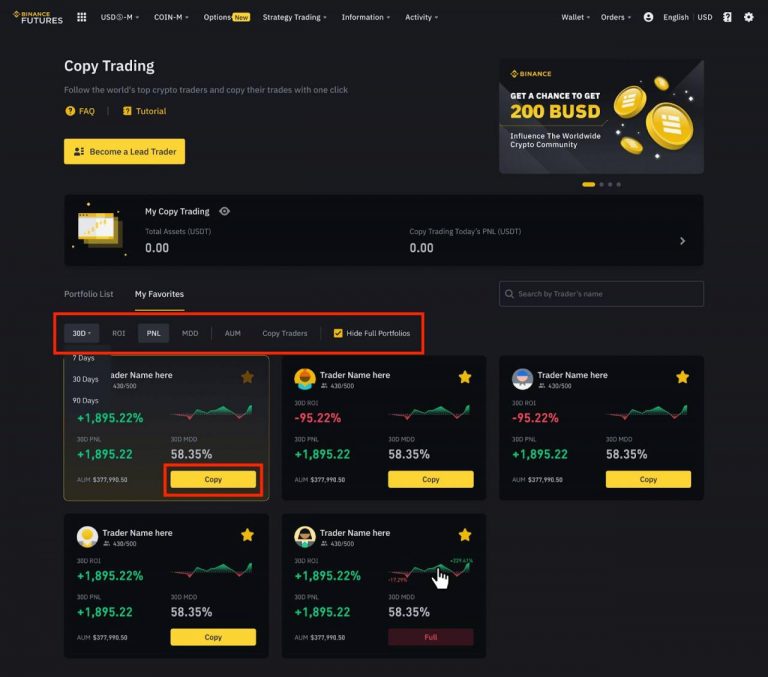
The following sections Artikel some common approaches, including their procedures and considerations.

Gift Cards

Using gift cards to buy Bitcoin is a viable option, albeit with limitations. This method often involves a third-party platform acting as an intermediary. These platforms facilitate the conversion of gift card balances into Bitcoin.

  • Procedure: Typically, you select the desired gift card type and amount. The platform then validates the card, converts the balance into Bitcoin, and credits your Bitcoin wallet address.
  • Pros: Potentially convenient for those already holding gift cards, providing a method to leverage existing funds.
  • Cons: Fees are frequently applied by the intermediary platform. Gift card availability and acceptance vary. The platform’s reputation and security measures are crucial factors to consider. Potential fraud risks are present, similar to any online transaction.

Peer-to-Peer Transactions

Peer-to-peer (P2P) platforms connect buyers and sellers directly. This allows for transactions without intermediaries, potentially offering lower fees.

  • Procedure: Buyers and sellers use a P2P platform to agree on the Bitcoin price and payment terms. Both parties need to verify each other’s identities, ensuring a secure exchange.
  • Pros: Potentially lower fees compared to exchange services. Direct interaction with sellers might lead to customized pricing and conditions. Suitable for those seeking more control over the transaction process.
  • Cons: Increased risk of fraud and scams. Thorough due diligence is crucial for both parties. Verification procedures are essential but can be complex. Security of funds is the responsibility of the buyer and seller.

Exchange Services

While often associated with direct Bitcoin purchases, exchange services can also be used for alternative acquisition methods. For example, some exchanges may allow the deposit of alternative cryptocurrencies or fiat currencies.

  • Procedure: Deposit the alternative asset into your exchange account, and then convert it to Bitcoin through an exchange transaction. The specific procedure depends on the exchange’s policies and available options.
  • Pros: Potentially lower fees compared to other methods. Flexibility in using various cryptocurrencies or fiat currencies as deposit options.
  • Cons: Exchange platform security is paramount. Transaction fees, exchange rates, and platform-specific rules can vary. Conversion times and processes can differ based on the chosen exchange.

Summary

In conclusion, acquiring Bitcoin online involves careful consideration of various factors. We’ve covered the spectrum of Bitcoin buying apps, highlighting their strengths and weaknesses, and offering insights into security measures and transaction costs. By understanding these aspects, you can confidently navigate the process and choose the best app to meet your specific needs and preferences.

Quick FAQs

What are common security risks when buying Bitcoin online?

Common security risks include phishing scams, malware, and compromised platforms. Always prioritize reputable platforms with robust security measures and verify website authenticity before making any transactions.

How can I verify the legitimacy of a Bitcoin buying app?

Research the app’s reputation, read user reviews, and check for security certifications. Look for secure payment gateways and encryption protocols. Avoid apps with questionable or non-existent customer support.

What are different methods for buying Bitcoin besides direct online purchases?

Alternative methods include using gift cards, peer-to-peer transactions, or exchange services. Each method has its own advantages and disadvantages. Research and evaluate these options carefully before making a choice.

What are the typical fees associated with buying and withdrawing Bitcoin?

Fees vary between apps and depend on transaction volume, type, and network conditions. It’s crucial to compare fees and transaction costs across different platforms to ensure optimal value.

Dive into the world of digital assets with Crypto.com’s Bitcoin buying app. This comprehensive guide walks you through the process of downloading and using the app, comparing it to other platforms, and highlighting its security features.

From navigating the user interface to understanding the Bitcoin buying process, we’ll cover everything you need to know. We’ll also examine alternative methods for buying Bitcoin, providing a well-rounded perspective on this exciting investment arena.

Introduction to Crypto.com Bitcoin Buying App

The Crypto.com Bitcoin buying app provides a user-friendly platform for acquiring and managing Bitcoin. It leverages the strengths of the Crypto.com ecosystem, offering a secure and convenient way to engage in cryptocurrency transactions. This app simplifies the process of purchasing Bitcoin, from initial setup to ongoing management of holdings.This overview details the key features, download process, and target audience for the Crypto.com Bitcoin buying app, providing a comprehensive understanding of its functionalities.

App Overview

The Crypto.com Bitcoin buying app facilitates the purchase, sale, and storage of Bitcoin. It’s designed to be intuitive and accessible to a wide range of users, regardless of their prior experience with cryptocurrencies. The app seamlessly integrates with other Crypto.com services, enabling users to manage their entire cryptocurrency portfolio in one place.

Key Features and Functionalities

This app provides a range of functionalities beyond simply buying Bitcoin. Users can securely store their digital assets, manage their portfolio, and conduct various crypto transactions.

  • Secure Storage: The app employs robust security measures to protect user funds and assets, including multi-factor authentication and encryption protocols. This ensures the safety and privacy of user holdings.
  • Intuitive Interface: The app’s user interface is designed for ease of use, allowing users to navigate the platform quickly and efficiently. Clear visual cues and straightforward layouts streamline the user experience.
  • Multiple Payment Options: The app supports a variety of payment methods for purchasing Bitcoin, offering flexibility and convenience to users. This includes credit cards, bank transfers, and other digital payment options.
  • Real-time Market Data: The app displays real-time market data, allowing users to track Bitcoin’s price fluctuations and make informed decisions regarding their investments.

Downloading and Installation

The process of downloading and installing the Crypto.com Bitcoin buying app is straightforward. The app is available for both iOS and Android devices.

  • Availability: The app can be downloaded from the respective app stores (Apple App Store for iOS and Google Play Store for Android).
  • Installation: The installation process typically involves a few steps, including accepting terms and conditions and granting necessary permissions. Follow the on-screen instructions for a smooth setup.

Target Audience

The target audience for the Crypto.com Bitcoin buying app encompasses individuals interested in investing in cryptocurrencies. This includes both beginners and experienced traders, looking to access the Bitcoin market easily. Those who already have accounts with Crypto.com are likely to find the app particularly appealing, given its seamless integration with other services.

User Experience Evaluation

The following table assesses the key features of the app in terms of user experience.

Feature Description User Experience Rating
Security Robust security measures, including encryption and multi-factor authentication. Excellent
Ease of Use Intuitive interface, clear visual cues, and straightforward navigation. Excellent
Payment Options Variety of payment methods supported, offering flexibility. Good
Market Data Real-time market data display for informed decision-making. Excellent

Comparison with Other Bitcoin Buying Platforms

Comparing Crypto.com’s Bitcoin buying app with other popular platforms reveals a range of strengths and weaknesses across various features. This analysis helps users understand the unique value proposition of Crypto.com and weigh it against alternatives. A comprehensive comparison provides insight into the best platform for individual needs and investment goals.A crucial aspect of evaluating any cryptocurrency platform is its ease of use and security.

Crypto.com aims to offer a streamlined experience, while other platforms may have varying degrees of complexity. This comparison looks at factors like user interface, security protocols, and transaction fees.

Key Feature Comparison

This section provides a side-by-side comparison of key features across several popular Bitcoin buying platforms. Understanding these differences is critical for selecting the platform that best meets your needs.

Platform Feature Description
Crypto.com Security Crypto.com utilizes multi-factor authentication and advanced security protocols to protect user funds. They also offer cold storage solutions for added security.
Crypto.com Transaction Fees Crypto.com typically offers competitive transaction fees for Bitcoin purchases, but these may vary based on the payment method used.
Crypto.com User Interface Crypto.com’s app boasts a user-friendly interface, designed for seamless navigation and quick access to key features.
Coinbase Security Coinbase employs robust security measures, including two-factor authentication and advanced fraud detection systems.
Coinbase Transaction Fees Coinbase’s transaction fees can vary depending on the chosen payment method and transaction amount.
Coinbase User Interface Coinbase provides a straightforward user interface, although it might not be as intuitive as some other platforms.
Gemini Security Gemini utilizes industry-standard security measures, such as encryption and multi-factor authentication, to safeguard user assets.
Gemini Transaction Fees Gemini’s transaction fees are typically competitive and transparent, often listed clearly on their platform.
Gemini User Interface Gemini’s user interface is generally well-regarded for its clarity and ease of use, allowing for smooth navigation.

Unique Selling Points of Crypto.com

Crypto.com’s Bitcoin buying app stands out with its comprehensive suite of features beyond basic transactions. This section highlights its distinct advantages.

  • Crypto.com’s integrated ecosystem allows users to leverage their crypto holdings for various services, including earning interest and making payments. This is a significant differentiator compared to platforms that primarily focus on buying and selling cryptocurrencies.
  • Competitive transaction fees make it an attractive option for users seeking cost-effective Bitcoin purchases. This is a key advantage in the competitive cryptocurrency market.
  • Strong security protocols are paramount for protecting user assets. Crypto.com emphasizes these to build user trust.

Comparison Summary

Crypto.com’s app offers a balanced approach to Bitcoin purchasing, blending competitive pricing with a user-friendly interface and robust security features. The integration with the broader Crypto.com ecosystem enhances its appeal for active crypto users. Other platforms may excel in specific areas, but Crypto.com aims to provide a comprehensive experience for a wide range of users.

Security and Trustworthiness of the App

Crypto.com’s Bitcoin buying app prioritizes user security, employing robust measures to protect sensitive financial information. This focus on security is paramount in the volatile cryptocurrency market, fostering trust and confidence among users. A secure platform instills confidence and encourages continued use of the service.The platform’s security is multifaceted, encompassing various layers of protection to safeguard user assets. This is crucial for maintaining a trustworthy environment for users engaging in cryptocurrency transactions.

Security Measures Implemented by Crypto.com

Crypto.com employs a layered security approach to protect user accounts and transactions. This includes employing advanced encryption protocols to safeguard sensitive data during transmission and storage. The platform utilizes industry-standard encryption methods, such as HTTPS, to ensure secure communication between users and the platform’s servers.

Verification Processes for User Accounts

Crypto.com implements rigorous verification procedures to ensure the authenticity and legitimacy of user accounts. This process helps mitigate the risk of fraudulent activity and protects users from unauthorized access to their accounts. These procedures vary based on the level of activity and potential risk associated with each account.

Importance of User Authentication

Strong user authentication is essential for preventing unauthorized access to accounts and safeguarding user funds. Multi-factor authentication (MFA) adds an extra layer of security by requiring multiple forms of verification, such as a password and a code from a mobile device. This significantly reduces the risk of unauthorized access and protects sensitive data.

Examples of Security Best Practices

Crypto.com adheres to industry best practices in security. These include regularly updating security protocols to address emerging threats, and implementing robust fraud detection systems to identify and prevent suspicious activities. The platform also educates users on best practices for online security, such as creating strong passwords and being cautious of phishing attempts. These measures are essential to ensure user trust and safety.

Security Protocols Used by Crypto.com

  • Two-Factor Authentication (2FA): This adds an extra layer of security by requiring a code from a trusted device in addition to a password. This significantly reduces the risk of unauthorized access to accounts.
  • Advanced Encryption: Crypto.com utilizes strong encryption protocols to protect sensitive data during transmission and storage, preventing unauthorized access to financial information. Examples include TLS/SSL protocols.
  • Regular Security Audits: Crypto.com conducts regular security audits to identify and address vulnerabilities in the system. This proactive approach helps prevent potential breaches and safeguards user assets.
  • Fraud Detection Systems: Sophisticated fraud detection systems are in place to monitor user activity and flag potentially fraudulent transactions. This helps to prevent unauthorized access and financial losses.

User Interface and Experience

The Crypto.com Bitcoin buying app aims for a streamlined and intuitive experience, prioritizing ease of use for both novice and experienced users. A well-designed interface significantly impacts user engagement and satisfaction, directly influencing the app’s overall success. This section delves into the app’s user interface, navigation, and overall user experience, providing a comprehensive assessment.The app’s interface is designed to be visually appealing and user-friendly, guiding users through the process of buying and managing Bitcoin.

The navigation structure and layout are critical to ensuring a positive user experience.

Navigation and Usability

The app’s navigation is crucial for user experience. A clear and logical structure allows users to quickly find the information and functionalities they need. The app employs a clean, intuitive menu system, typically featuring tabs for different sections such as buying Bitcoin, managing wallets, and viewing transaction history. Effective use of icons and visual cues enhances the navigation experience.

This facilitates easy access to crucial functions, such as initiating a purchase or checking transaction details.

Design Elements and Visual Appeal

The Crypto.com Bitcoin buying app’s design is generally modern and aesthetically pleasing. The color scheme and typography contribute to the overall visual appeal. The use of high-quality graphics and imagery enhances the user experience, providing a visually stimulating environment. This visual appeal creates a positive and engaging user interface, encouraging prolonged use.

Interface Elements and Functions

The app’s interface comprises several key elements, each serving a specific function. A clear understanding of these elements and their purposes is essential for a smooth user experience.

Interface Element Function
Homepage Displays a summary of key information, including available balance, recent transactions, and relevant market data.
Buy/Sell Bitcoin Button Initiates the process of purchasing or selling Bitcoin.
Wallet Management Section Provides access to manage different wallets, including viewing balances and transaction history.
Transaction History Allows users to review past transactions, including details like date, amount, and status.
Support/Help Section Offers access to customer support resources, such as FAQs, contact information, and potentially tutorials.
Notification Center Displays important updates, alerts, and transaction confirmations to keep users informed.

Buying Bitcoin on the App

Purchasing Bitcoin through the Crypto.com app is a straightforward process. Users can readily acquire Bitcoin with a few simple steps, leveraging various payment methods to complete the transaction securely. This process is designed for ease of use, minimizing complexity for a positive user experience.

Transaction Process Overview

The Crypto.com app streamlines the Bitcoin buying process. Users navigate through a series of steps, ensuring a smooth and secure transaction. This detailed explanation Artikels the procedure, from initiation to completion.

Steps Involved in a Bitcoin Purchase

Understanding the steps involved in purchasing Bitcoin is crucial for a smooth transaction. The following numbered list details each step of the process:

  1. Initiating the Purchase: Users select the desired Bitcoin amount and review the transaction details, including the current market price and associated fees. Confirmation of the transaction parameters is essential before proceeding.
  2. Payment Method Selection: Users choose their preferred payment method from the available options. These options typically include bank transfers, credit/debit cards, and other supported methods. Selection is straightforward and provides flexibility for various user preferences.
  3. Review and Confirmation: A comprehensive review of the transaction details, including the Bitcoin amount, payment method, and fees, is presented. Users confirm the details to proceed with the transaction. This step ensures that all information is correct before the transaction is finalized.
  4. Transaction Execution: Once confirmed, the transaction is executed, and the Bitcoin is credited to the user’s Crypto.com account. The process is managed securely, ensuring the integrity of the transaction. Confirmation of the transaction’s completion is displayed to the user.

Available Payment Methods

The app supports various payment methods, offering flexibility to users. These options typically include but are not limited to:

  • Bank Transfers: Often a convenient and reliable option for large purchases.
  • Credit/Debit Cards: A common choice for smaller transactions, providing quick access to Bitcoin.
  • Cryptocurrencies: Users can sometimes exchange other cryptocurrencies for Bitcoin, adding another layer of flexibility to the platform.
  • Other Payment Methods: Depending on the region, additional payment options might be available, enhancing accessibility.

Transaction Flowchart

Step Action
1 User selects Bitcoin amount and payment method.
2 User reviews transaction details and confirms.
3 Payment is processed.
4 Bitcoin is credited to user’s account.

General Information About Buying Bitcoin

Bitcoin, a decentralized digital currency, has gained significant popularity as an alternative investment and store of value. Understanding the methods of purchase, factors affecting prices, and its history is crucial for anyone considering investing in Bitcoin. This section provides essential background information.

Methods for Buying Bitcoin

Various methods are available for purchasing Bitcoin. Direct purchases from exchanges like Crypto.com are common. These exchanges often offer options like bank transfers, credit/debit cards, or even other cryptocurrencies. Other avenues include peer-to-peer (P2P) platforms, where individuals can directly buy from each other. This often involves a degree of risk and requires due diligence to verify the seller’s authenticity.

Factors Influencing Bitcoin Prices

Bitcoin’s price is volatile, influenced by several interconnected factors. Market sentiment and investor confidence play a major role, with news and social media chatter often contributing to price swings. Technological advancements and regulatory changes also affect its value. Supply and demand dynamics are a fundamental element, with increasing demand and decreasing supply driving prices upward. The price of other cryptocurrencies and the broader market trends in the financial sector are also relevant.

History of Bitcoin

Bitcoin’s history began with its creation in 2009. This decentralized digital currency, based on blockchain technology, aimed to provide a secure and transparent peer-to-peer payment system. Early adoption was slow, but over time, Bitcoin gained traction and recognition as an investment asset. Increased mainstream media coverage, institutional investment, and growing acceptance by merchants contributed to its broader adoption.

The initial excitement, followed by periods of price fluctuations and regulatory uncertainties, shaped its history and evolution.

Role of Cryptocurrency Exchanges

Cryptocurrency exchanges act as intermediaries for Bitcoin purchases, facilitating transactions between buyers and sellers. They provide a platform for executing trades, offering various payment options, and maintaining a record of transactions. Exchanges usually provide security measures, but the inherent risks of using these platforms should be acknowledged. The level of security and reliability varies among exchanges, highlighting the importance of researching and choosing a reputable platform.

Common Questions About Buying Bitcoin

Understanding potential concerns is important. Security is a significant concern, and users should choose exchanges with robust security measures. Volatility is a common concern for new investors. It’s important to understand that Bitcoin’s price can fluctuate significantly. Another concern is the regulatory environment, with regulations varying across jurisdictions.

Furthermore, taxation policies related to cryptocurrency investments need careful consideration. Understanding these factors helps in making informed decisions about investing in Bitcoin.

Crypto.com App and Bitcoin Buying App Features

The Crypto.com app, renowned for its comprehensive suite of crypto services, offers a dedicated Bitcoin buying platform. Understanding the unique features of this platform, comparing them to competitors, and evaluating their impact on user experience is crucial for making informed decisions. This section delves into the distinctive aspects of the Crypto.com Bitcoin buying app, highlighting its strengths and weaknesses.

Unique Features of the Crypto.com Bitcoin Buying App

The Crypto.com app boasts a range of features tailored for Bitcoin purchasing, differentiating it from other platforms. These features extend beyond simple buying and selling, encompassing various aspects of crypto management. Key functionalities include a user-friendly interface for navigating transactions, robust security measures to protect funds, and potentially, integrated staking or yield programs. These unique features contribute to a more comprehensive and engaging user experience.

Comparison with Other Bitcoin Buying Platforms

The Crypto.com platform’s Bitcoin buying capabilities are compared to those of other prominent platforms. Factors such as transaction fees, available payment methods, security protocols, and user interface design are considered. While Crypto.com often prioritizes a comprehensive crypto ecosystem, other platforms may specialize in specific aspects like low fees or lightning-fast transactions.

Features Contributing to User Experience

The features of the Crypto.com Bitcoin buying app directly impact the overall user experience. A smooth and intuitive interface streamlines the purchasing process, while robust security measures instill confidence in users. Integrated features like staking or yield programs can enhance the value proposition for long-term users. The accessibility of various payment methods, a common feature on many platforms, contributes to a wider user base.

Advantages and Disadvantages of the App’s Features

Crypto.com’s Bitcoin buying app features present both advantages and disadvantages. A user-friendly interface, for example, can significantly improve the buying experience. However, a highly complex interface might be perceived as overwhelming, potentially deterring less tech-savvy users. Robust security measures, while beneficial, might require users to meet specific compliance standards.

Table: Crypto.com Bitcoin Buying App Features

Feature Description Comparison with other platforms
Intuitive Interface Easy navigation and transaction management. Many competitors offer user-friendly interfaces, but Crypto.com’s might be particularly designed for its ecosystem.
Security Measures Multi-factor authentication, secure storage, and advanced fraud detection. Security is paramount for all platforms; Crypto.com’s level of security will be compared with competitors.
Payment Methods Offers diverse payment options for buying Bitcoin. Most platforms allow for a range of payment options. Crypto.com may offer a wider array compared to others.
Staking/Yield Programs Potential for earning interest on held Bitcoin or other cryptocurrencies. Some competitors have similar programs. The specifics and benefits of these programs will be compared.
Customer Support Provides various channels for assistance, including FAQs and live chat. Customer support is crucial. The quality and availability of Crypto.com’s support will be assessed against other platforms.

Bitcoin Buying Process Alternatives

Crypto Trading Bots: US Regulators Sound Alarm on AI-Powered Systems

Beyond Crypto.com, several avenues exist for acquiring Bitcoin. Understanding these alternatives provides a more comprehensive picture of the Bitcoin market, enabling informed decisions based on individual needs and preferences. Each method presents varying degrees of convenience, security, and cost.Different platforms and methods cater to different user needs and risk tolerances. Some prioritize speed and ease of use, while others emphasize security and regulatory compliance.

This comparison aims to equip users with the knowledge to choose the best option for their circumstances.

Alternative Bitcoin Purchasing Methods

Various methods exist for acquiring Bitcoin beyond using a dedicated cryptocurrency exchange. Direct exchanges, peer-to-peer (P2P) platforms, and even traditional brokerage services can facilitate Bitcoin purchases. The choice of method hinges on individual factors, including comfort level with the technology, required transaction speed, and desired level of regulatory oversight.

Direct Exchange Platforms

Many specialized cryptocurrency exchanges offer Bitcoin purchase options. These platforms typically offer a broader range of cryptocurrencies and a robust trading infrastructure.

  • Advantages: Often feature competitive fees, diverse selection of cryptocurrencies, and advanced trading tools. Many exchanges have established reputations, building user trust.
  • Disadvantages: Some exchanges might impose higher fees compared to specific Bitcoin-only platforms, and user experience can vary significantly across different platforms.

Peer-to-Peer (P2P) Platforms

P2P platforms connect buyers and sellers directly. This can lead to potentially lower fees compared to traditional exchanges, but users need to be more vigilant about security risks.

  • Advantages: Potentially lower fees compared to traditional exchanges. Users can often negotiate prices directly with sellers.
  • Disadvantages: Security concerns are higher as transactions are not vetted by a centralized platform. The risk of fraud or non-delivery is greater.

Traditional Brokerage Services

Some brokerage platforms now offer Bitcoin trading, though they may have different fees and limitations compared to dedicated cryptocurrency exchanges.

  • Advantages: Integration with existing financial infrastructure, potentially easier onboarding for those familiar with traditional brokerage services.
  • Disadvantages: Might not offer the same level of cryptocurrency-specific features as dedicated platforms. Fees may vary depending on the brokerage and the transaction type.

Comparison Table

Feature Direct Exchange P2P Platform Traditional Brokerage
Security Generally high Lower, user vigilance required Medium, depends on brokerage
Fees Competitive, but varies Potentially lower, but negotiation risk Can vary widely
Ease of Use Moderate to high Variable, often requires more user knowledge Lower for familiar users, higher for new users

Additional Resources and Support

Staying informed and having access to prompt support are crucial when using a crypto trading platform. This section details the resources available to users of the Crypto.com Bitcoin buying app, ensuring a smooth and secure experience.Navigating the world of cryptocurrency can be complex, and having readily available support and resources is essential. This section clarifies how users can access help and information related to the Crypto.com Bitcoin buying app.

Support Options

The Crypto.com platform provides a comprehensive suite of support options, ranging from self-service resources to direct contact with support agents. Users can access various channels to resolve queries and address concerns efficiently.

Helpful Resources and FAQs

A well-maintained FAQ section is an invaluable resource for users. This section often contains answers to common questions, enabling users to find solutions without needing to contact support directly. It often addresses topics like account creation, transaction confirmations, and general app usage. Crypto.com’s website typically includes a dedicated FAQ page.

Contact Methods for Customer Support

Users can reach out to customer support through multiple channels, ensuring accessibility across different preferences. These channels often include email, phone support, and a dedicated in-app support system. Direct communication channels provide a personalized approach for users seeking assistance.

Accessing Support Materials

The Crypto.com Bitcoin buying app’s support materials are easily accessible. Users can typically find FAQs, tutorials, and other support documents on the platform’s website or within the app itself. These materials are structured to be readily searchable and categorized for efficient access.

  • Website FAQs: Provides answers to frequently asked questions, reducing the need for support calls.
  • In-App Support: Enables direct communication within the app, offering quick resolutions.
  • Email Support: Offers a convenient way to submit inquiries and receive personalized responses.
  • Phone Support: Provides direct assistance via phone for users who prefer a direct conversation.

Conclusive Thoughts

In conclusion, Crypto.com’s Bitcoin buying app offers a user-friendly platform for accessing the cryptocurrency market. This guide has provided a detailed overview of the app’s features, security measures, and transaction processes, while also comparing it to other options. Ultimately, the choice of platform depends on individual needs and preferences.

FAQ Section

What are the minimum and maximum amounts I can buy Bitcoin with?

Crypto.com typically has specific minimum and maximum transaction limits, which may vary depending on your region and account type. Refer to the app’s terms and conditions for precise details.

What are the fees associated with buying Bitcoin on Crypto.com?

Crypto.com charges fees for transactions, including network fees and potentially platform-specific transaction charges. Refer to the app’s fee schedule for detailed information.

What payment methods does the app support?

Crypto.com accepts various payment methods for buying Bitcoin. The available options may vary based on your region. Check the app’s payment options for the most up-to-date details.

How do I contact Crypto.com customer support if I have questions?

Crypto.com provides various support channels, including in-app help resources, FAQs, and customer support contact information. Refer to the app’s help center for contact details.